Thursday, January 31, 2013

The Publishing Fairy Strikes Again

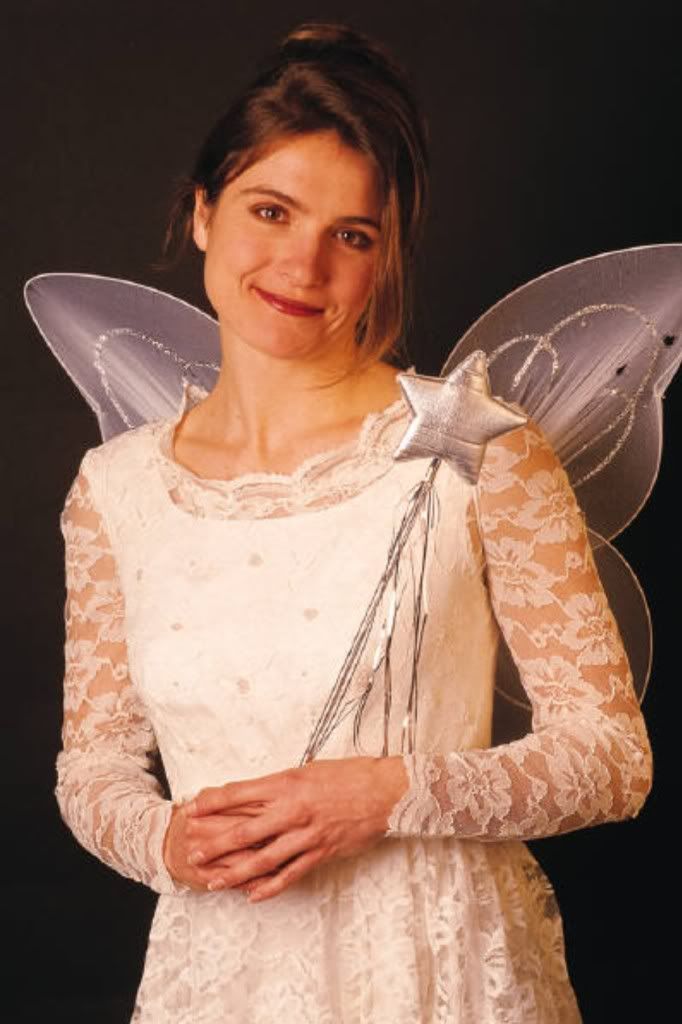
I'm in the midst of finishing up some work, so I've invited the Publishing Fairy to stop in and wave her wand over one of you. No, you won't turn into an author. Unless you're a frog. I can't do anything about any accidental amphibian anthropomorphisms.

If you've got a book to wish for, in comments to this post tell us the title of the last book you read (or if you can't remember, just toss your name in the magic hat) by midnight EST on Friday, February 1st, 2013. I'll draw one name at random from everyone who participates, and PF will grant the winner a BookWish*. This giveaway is open to everyone on the planet, even if you've won something here at PBW in the past.

*A BookWish is any book of the winner's choice available for order online and that costs up to a maximum of $30.00 U.S. dollars (I'll cover any additional shipping costs involved.)

Wednesday, January 30, 2013

Bye Bye Birdie


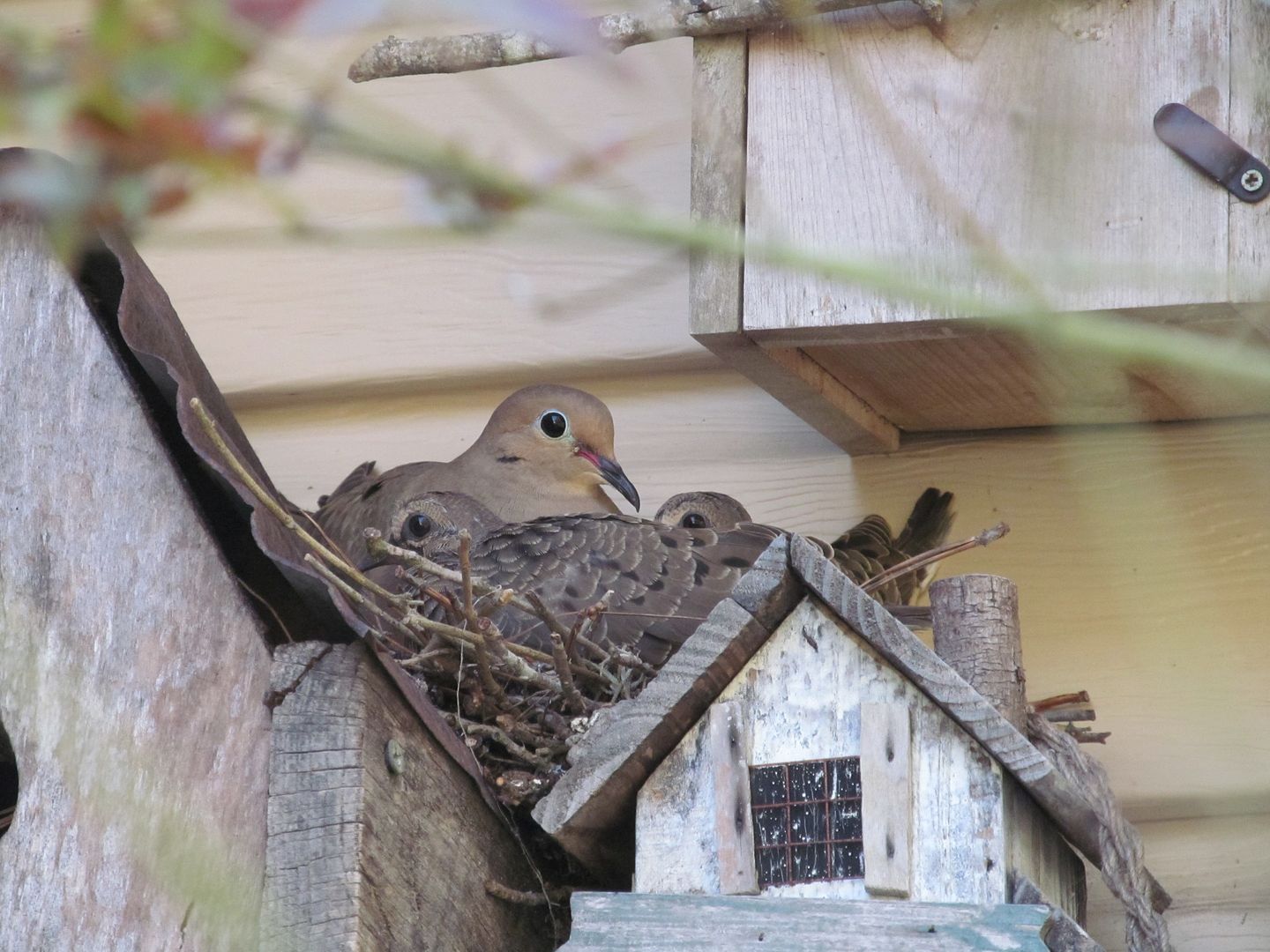
A few days ago our mourning dove's twins looked almost big enough to fly solo, so camera in hand I started checking them regularly in hopes of getting a shot.


On Sunday morning they were so restless I was pretty sure it would be the day, and parked myself, my work and my camera on the porch.


They were too fast for me to snap their first flight, but I managed to capture their first landing. Good luck, little ones.

Tuesday, January 29, 2013

Free Your Fonts

Please note as of 01/15/14: Google has been giving Urban Fonts's web master some unnecessary grief over the links in this post, all of which I personally researched and placed. To help him out I am deleting all of the links embedded in this post, so as of now none of them will work where mentioned. The text of the original post, however, with all the links intact, can still be found here over on my Google Docs Library at this URL:

https://drive.google.com/file/d/0BzylBQC3SyqoZ21KbXN5MFdCMXM/edit?usp=sharing


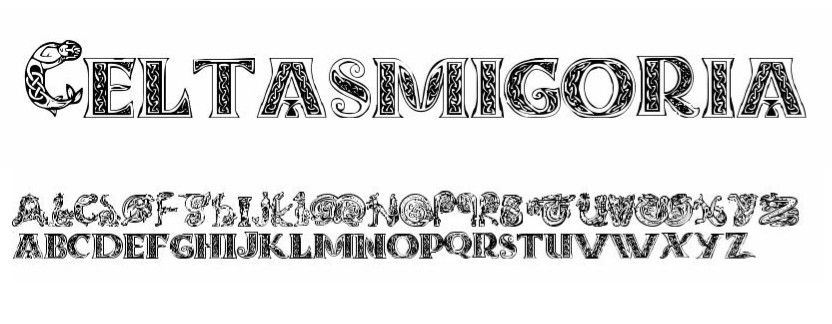
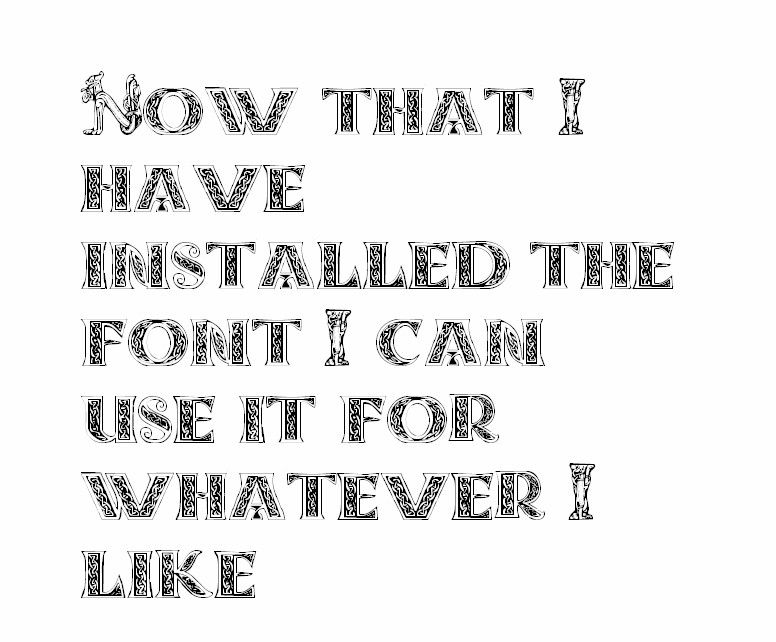
UrbanFonts.com touts its collection of over 8,000 freeware fonts as amazing, so while looking for a promo style for Disenchanted & Company I decided to test drive an install and see how it worked. First I found a font in the free section that I thought was unusual and exceptional, Celtasmigoria by Sorcerer (to get a better view, click on the image to go to the site page for this font):


I clicked download, and the following screen came up:


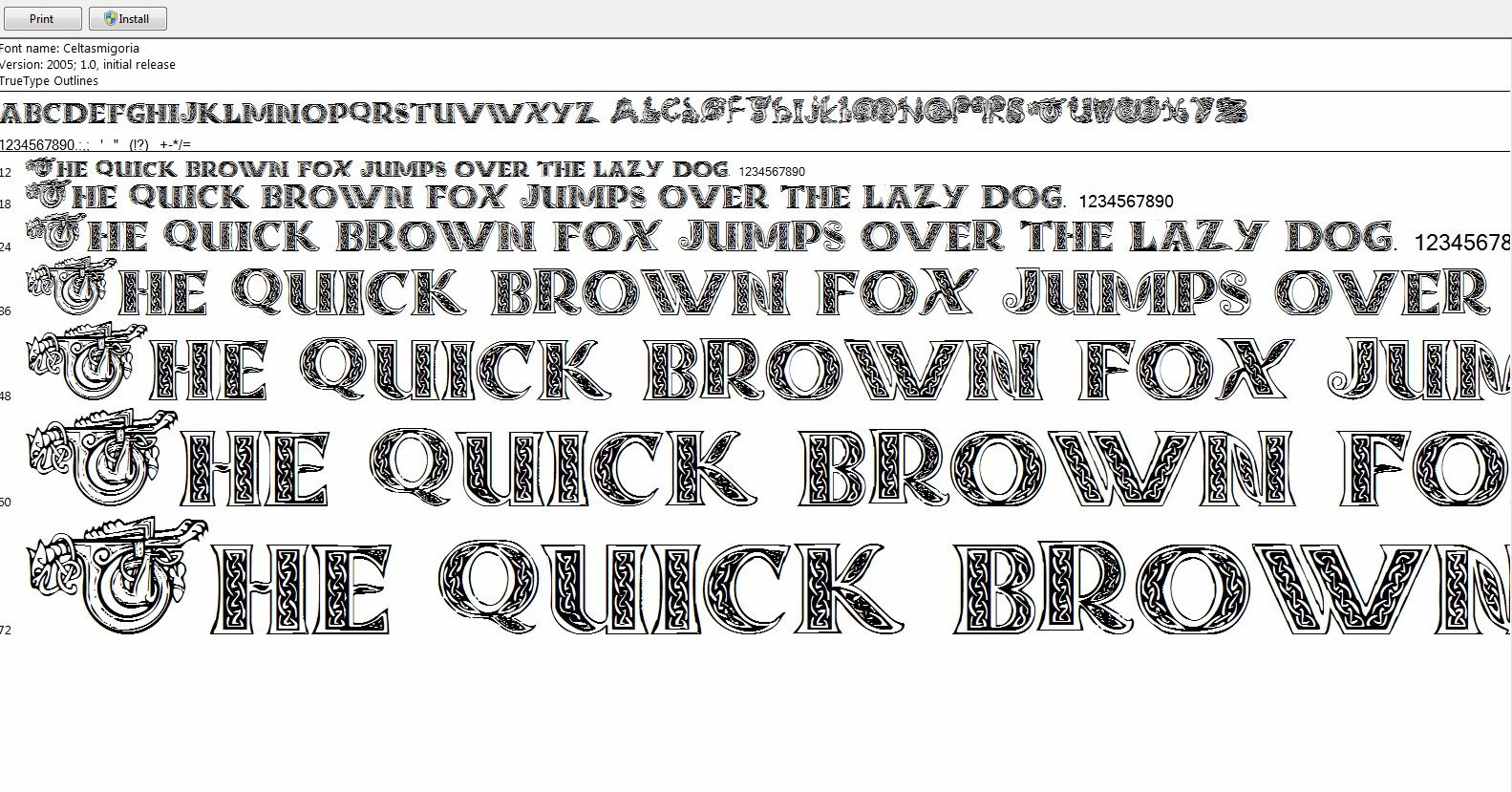
From there I clicked Install, and like magic the font was added to my system, which allowed me to select and type with it in Word:


While it doesn't really suit my D&C project, this particular font would work as inspiration for a Celtic embroidery project a friend of mine is working on; the pictoral art of the capital letters is perfect for her needlework. I imagine you indie authors and webmasters can probably find some neat free fonts at this site to use in your cover art and site designs. Note: if you do want to use any free font for a commercial project you should always a) let the font designer know first and b) give the designer proper credit and linkage.

Here are links to other free fonts at the site that I've used or thought were very cool:

A Lolita Scorned
a picture alphabet
Anarchistic
And then some
ARDENWOOD
bulky Refuse
Chicory
FLORALIS
Freebooter
Mael
Old Copperfield
Sanford Book
WildWood
Ytaghan

Monday, January 28, 2013

No Cost Ten

Ten Things You Can Have for Free

Freeware caution: always scan free downloads of anything for bugs and other threats before dumping the programs into your hard drive.

7 Sticky Notes is a "good 100% free desktop notes software that creates Sticky Notes directly on your Desktop. It has a really good-looking realistic sticky note appearance for ultimate user experience and it offers amazing and cool features that makes 7 Sticky Notes at the same time powerful, simple to use, reliable, and light" (OS: Windows 2000/XP/Vista/7)

ArsClip is a "freeware utility for the windows clipboard. ArsClip monitors the clipboard and keeps track of the entries. Pasting is done by using a triggered popup window. This window can be triggered by a hotkey, holding right-click, a special trigger window, and other methods" (OS: Windows 2000/XP/Vista/7)

Funny Photo Maker "lets you enjoy photo editing. Helps you export photos in image file and gif animation. Easily turns your photos into artistic and interesting masterpieces" (OS: Windows XP/Vista/7)

The free, full-featured trial version of ImageWell is a "compact, powerful image editing application that lets you quickly resize, crop,watermark, edit your images, take screenshots and then instantly upload them to the web, save to your computer or email them to a friend. ImageWell also lets you annotate your images with text, shapes, arrows and lines, quickly and easily. And it doesn't stop there - add a drop shadow, a shaped border, flip or rotate your image, adjust the sharpness and brightness, plus so much more" (OS: Mac)

LyX is a "document processor that encourages an approach to writing based on the structure of your documents (WYSIWYM) and not simply their appearance (WYSIWYG). LyX combines the power and flexibility of TeX/LaTeX with the ease of use of a graphical interface. This results in world-class support for creation of mathematical content (via a fully integrated equation editor) and structured documents like academic articles, theses, and books. In addition, staples of scientific authoring such as reference list and index creation come standard. But you can also use LyX to create a letter or a novel or a theatre play or film script. A broad array of ready, well-designed document layouts are built in. LyX is for people who want their writing to look great, right out of the box. No more endless tinkering with formatting details, “finger painting” font attributes or futzing around with page boundaries. You just write. On screen, LyX looks like any word processor; its printed output — or richly cross-referenced PDF, just as readily produced — looks like nothing else" (OS: Linux/Unix, Windows, and Mac OS X; available in several languages.)

Scheduler allows you to "schedule tasks to perform at a particular time of day. Tasks include the ability to open any file in its default program, open a URL in the default web browser and shutdown or restart your computer. The main window can be minimised to the system tray. The uses of this range from using it as an alarm clock or reminder to shutting down your computer at a set time after any remaining tasks have been completed" (OS: Not specified but it looks like Windows.)

Scribus is "an Open Source program that brings professional page layout to Linux/UNIX, Mac OS X, OS/2 Warp 4/eComStation and Windows desktops with a combination of press-ready output and new approaches to page design. Underneath a modern and user-friendly interface, Scribus supports professional publishing features, such as color separations, CMYK and Spot Color support, ICC color management, and versatile PDF creation" (OS: Linux/*nix/BSD, MacOSX(R) and Windows(R))

SoftCard Manager uses your scanner to "store Business cards and other similar sized cards. SoftCardManager stores digital images of each Card. Each one highly compressed is immediately available for viewing. Scan in a card, enter it into a phone book (basic details, Name, Company, Email address) and you can look at all their details instantly" (OS: Not specified but it looks like Windows.)

SSuite Office My Money Portable is "a simple to use personal finance manager that is also portable. Features: create and add unlimited accounts; make income or expense transactions against your accounts; supports inter-account money transfers; includes a custom report builder. A French version is also available. (OS: All Windows; designer notes: "If used in Windows Vista / 7 / 8, set the application to run as an Administrator")

VueMinder Lite USB is a "free calendar program that can run from a USB stick - no installation required. It can auto-sync with Google Calendar. A calendar browser allows addition of many events, such as holidays, local weather, sport schedules, religious occasions, and much more. You can also create your own calendars, which are overlaid into day, week, and month views. Events are also visible directly on the Windows desktop, even when offline" (OS: Windows 2000/XP/2003/Vista/7 [32-Bit/64-Bit])
Sunday, January 27, 2013

The Quick Brown Whatsahoosit

If you're a poet or writer who likes playing with nouns you might try to feed some of your text to the N+7 generator, which according to the site "involves replacing each noun in a text with the seventh one following it in a dictionary. (In French, it is also referred to as the 'S+7' procedure.) Here you can enter an English text and 15 alternative texts will be generated, from N+1, which replaces each noun with the next one in the dictionary, to N+15, which takes the 15th noun following."

I tried a classic bit of typing practice, and here are the results:

N+0: The quick brown fox jumped over the lazy dogs.

N+1: The quick brown foxglove jumped over the lazy dogcarts.

N+2: The quick brown foxhole jumped over the lazy dogfights.

N+3: The quick brown foxhound jumped over the lazy doggies.

N+4: The quick brown foyer jumped over the lazy doggies.

N+5: The quick brown fraction jumped over the lazy doglegs.

N+6: The quick brown fracture jumped over the lazy dogmas.

N+7: The quick brown fragment jumped over the lazy do-gooders.

N+8: The quick brown fragrance jumped over the lazy dogsbodies.

N+9: The quick brown frail jumped over the lazy doilies.

N+10: The quick brown frailty jumped over the lazy doles.

N+11: The quick brown frame jumped over the lazy dolls.

N+12: The quick brown frame-up jumped over the lazy dollars.

N+13: The quick brown framework jumped over the lazy dollops.

N+14: The quick brown franc jumped over the lazy dollies.

N+15: The quick brown franchise jumped over the lazy dolphins.

(Generator link swiped from Gerard over at The Presurfer)

Saturday, January 26, 2013

Opinions Wanted


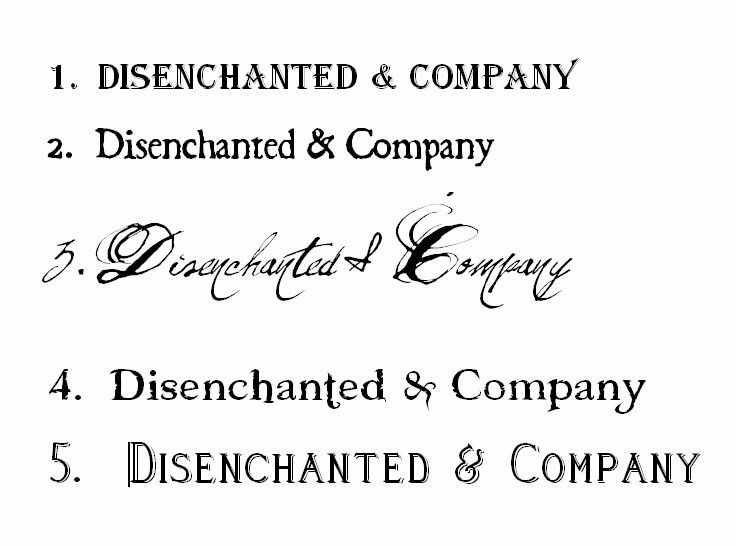
These are fonts I'm considering for use with promotional materials for Disenchanted & Company, my new urban fantasy series for Pocket Star. I've whittled down a long list of possibilities to these, but I can't make up my mind which is the most attractive/appealing of the final five.

Which one do you like best? Please vote by number in comments.

Friday, January 25, 2013

Shelter Cats

Instead of the usual Friday video I'd like to share some pics I took during a recent visit to a no-kill cat shelter. No music or lols, just beautiful, lonely creatures:

Thursday, January 24, 2013

Covered & Free Read


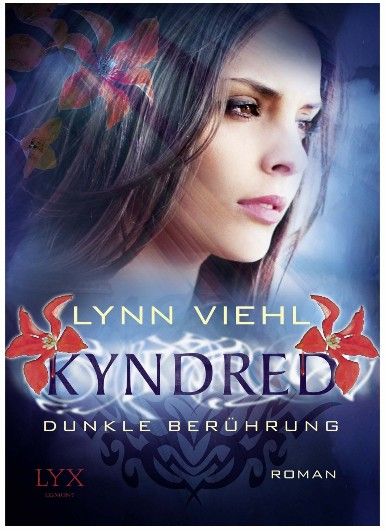
New and lovely cover art for the LYX German edition of my first Kyndred novel Shadowlight. This one will be released in September.

For those of you who enjoy great writing on the darker side of fantasy, author Kris Reisz has released his short story collection Quiet Haunts and Other Stories for free on Smashwords.

Wednesday, January 23, 2013

Journaling Small

Today is National Handwriting Day, and to do my part to promote the art of writing by hand I thought I'd offer an idea how you can do that . . . in a small way.

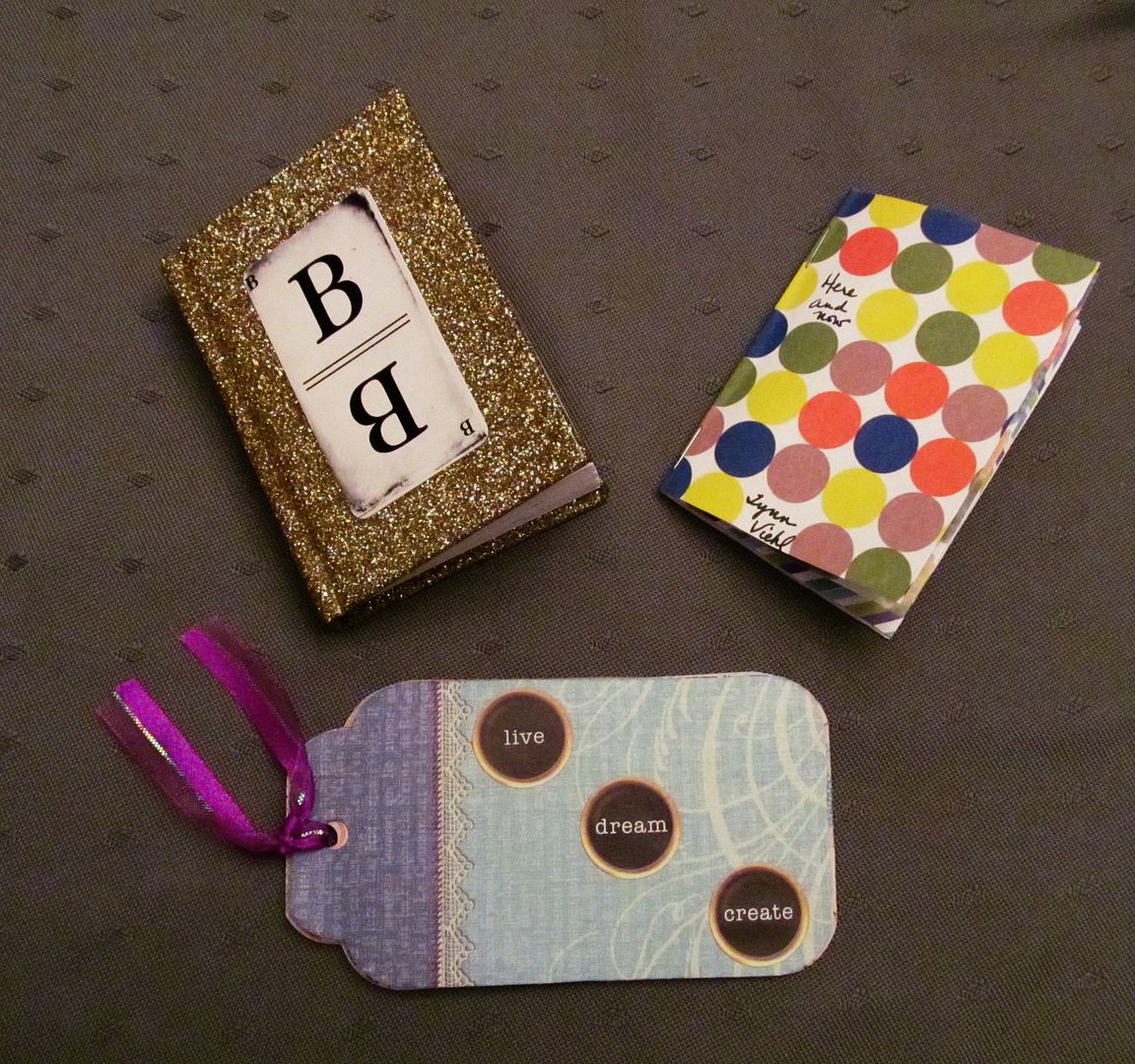
While working on my 1000 Cards Project last year I wrote three small journals. One was an ATC-size blank book I found at BAM and wrote in for a week; fitting my handwriting and art on the tiny pages was an interesting challenge. I also made two other, shorter journals by hand; one that I wrote in for a day and the other a collection of ten thoughts about living the creative life.
Now I have much love for big, roomy journals, but those three mini projects did give me a new appreciation for journaling small. Reducing your physical writing space can be a good thing for your focus; when you're working on 2-1/2 X 3-1/2" pages every word really has to count. Although I'm not sure why, it also had the pleasant side effect of making my entries mainly positive - maybe because the space limit didn't give me a lot room to rant.

Working on a smaller scale can be a fast and fun way to explore some non-traditional journal making methods. The little accordian journal I made last year using fake fruit was fun but didn't require a huge chunk of my time. If you'd like an alternative to artist trading cards you might consider making a mini-journal out of index cards, old rolodex cards, or even some playing cards (card sleeves, an index card box, rolodex holder or deck box would serve nicely to hold them all together versus the usual binding and covers.)

Journaling small also makes your project more portable by reducing it to purse- or pocket-size, so you can take it with you on your daily travels. Since you don't have to wrestle with a standard-size book, you might be more inclined to jot down ideas or make a quick sketch on the run. If you want to embellish your pages on the go, use a pencil case or an empty Altoids tin to carry a few art supplies with you.

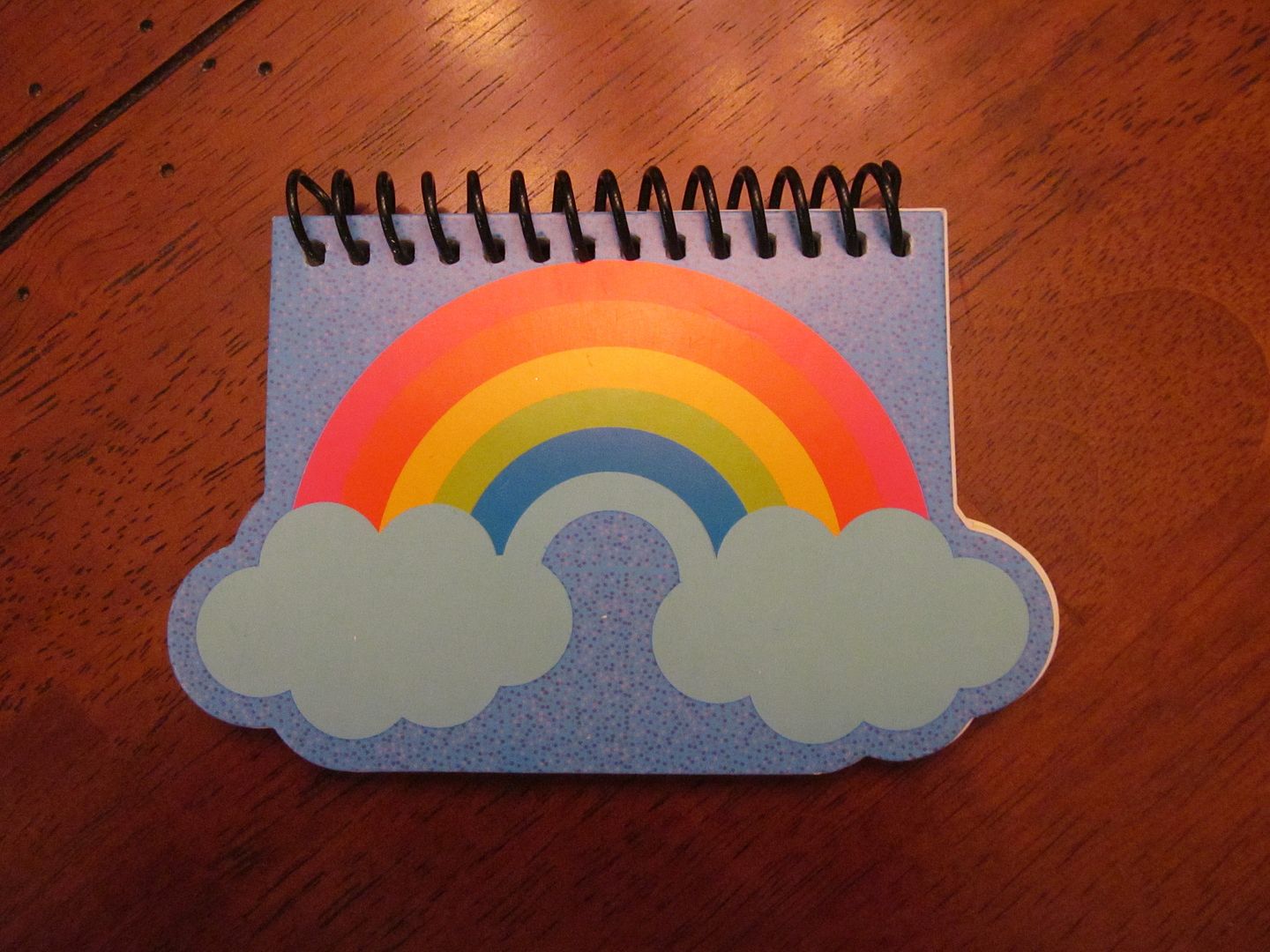
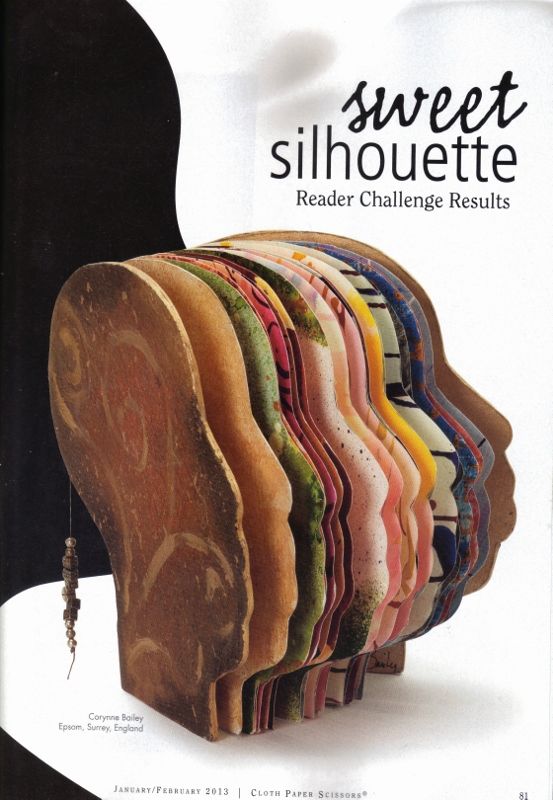
A small project can help you think outside the journaling box, too. I was fascinated by the shape of this reader challenge silhouette book in the Jan/Feb '13 issue of Cloth Paper Scissors; I'd love to make a little journal like this shaped by its own theme, like love poems in a heart-shaped journal or a quilting diary shaped by my favorite patchwork template. I can also see making a neat photo journal of my pups shaped like a bone or in one of their silhouettes. You can also find ready-made shaped notebooks around if you look; I spotted this rainbow-shaped notebook in the dollar bin at JoAnn, and it would make a great happy thoughts or gratitude mini-journal.
A pocket-size journal might also inspire you to journal more often, which can ease you into a more regular writing routine. Big journals with all those blank pages can be intimidating; a miniature version may prove less stressful. You're not under pressure to fill dozens of empty lines or pages with your thoughts; you can note simply what's most important that day in a few words or one paragraph. Writers, this is great practice for creating premises, hook lines, working out dialogue and other elemental story ideas. Poets can explore and play with short form verse by creating a daily haiku journal. Readers who like to keep track of what books they read and their thoughts about them might find a pocket reading journal easier to update and take along on the next book store excursion.

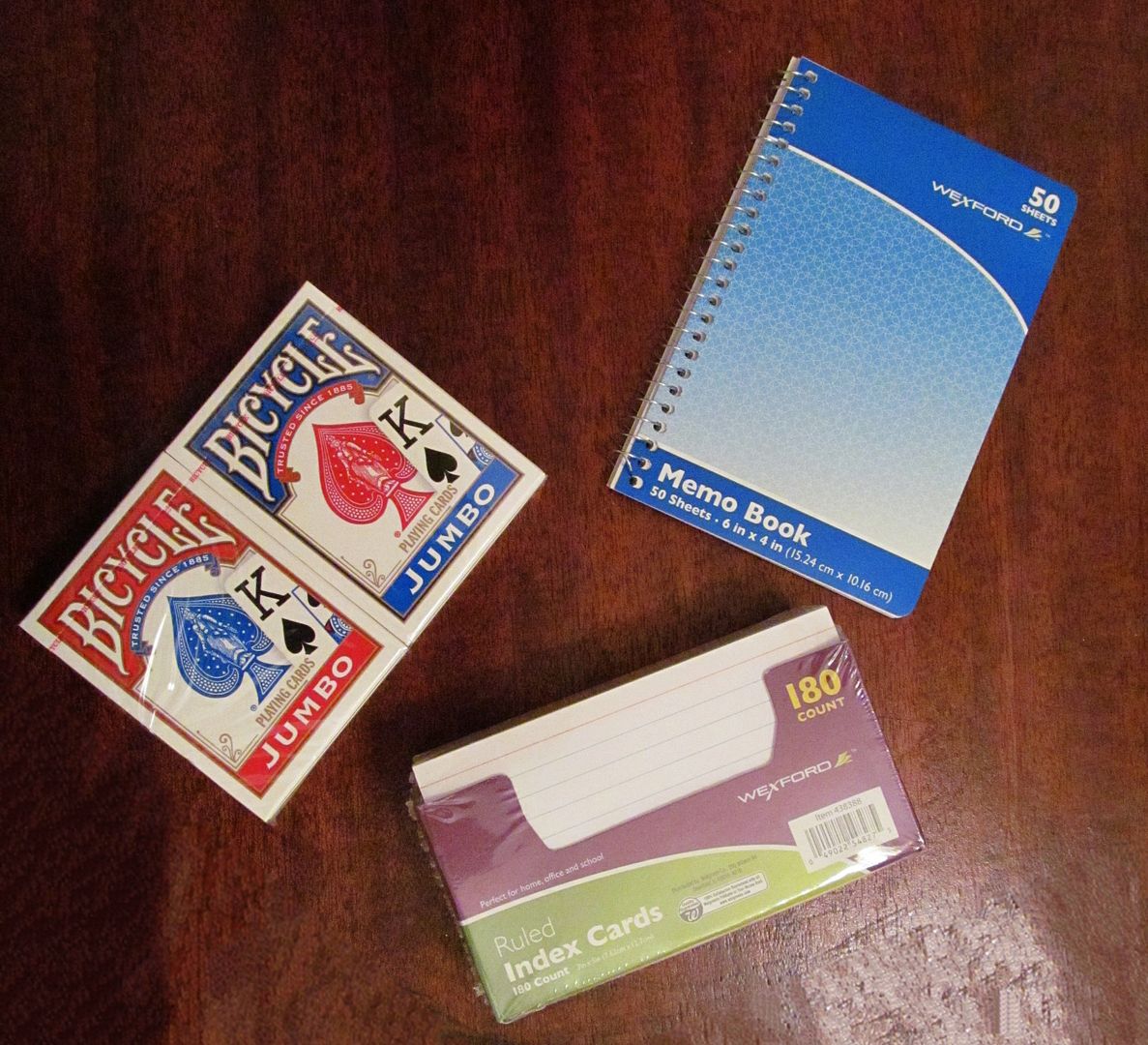
You can have fun with the artistic challenge of making small journals, too. I picked up a couple card decks, a mini spiral notebook and a pack of index cards, all of which I'm going to try to transform into guided small journals, and if I don't make a hash of it I'll post some pictures of the results.

Finally, for those of you who are fine writing instrument lovers, check out this penmanship contest being held by Fahrney's Pens. You can mail, fax or e-mail your handwritten entry by January 31st, and the winner will score a Pelikan fountain pen worth $348.00.

Tuesday, January 22, 2013

Twinsies Again

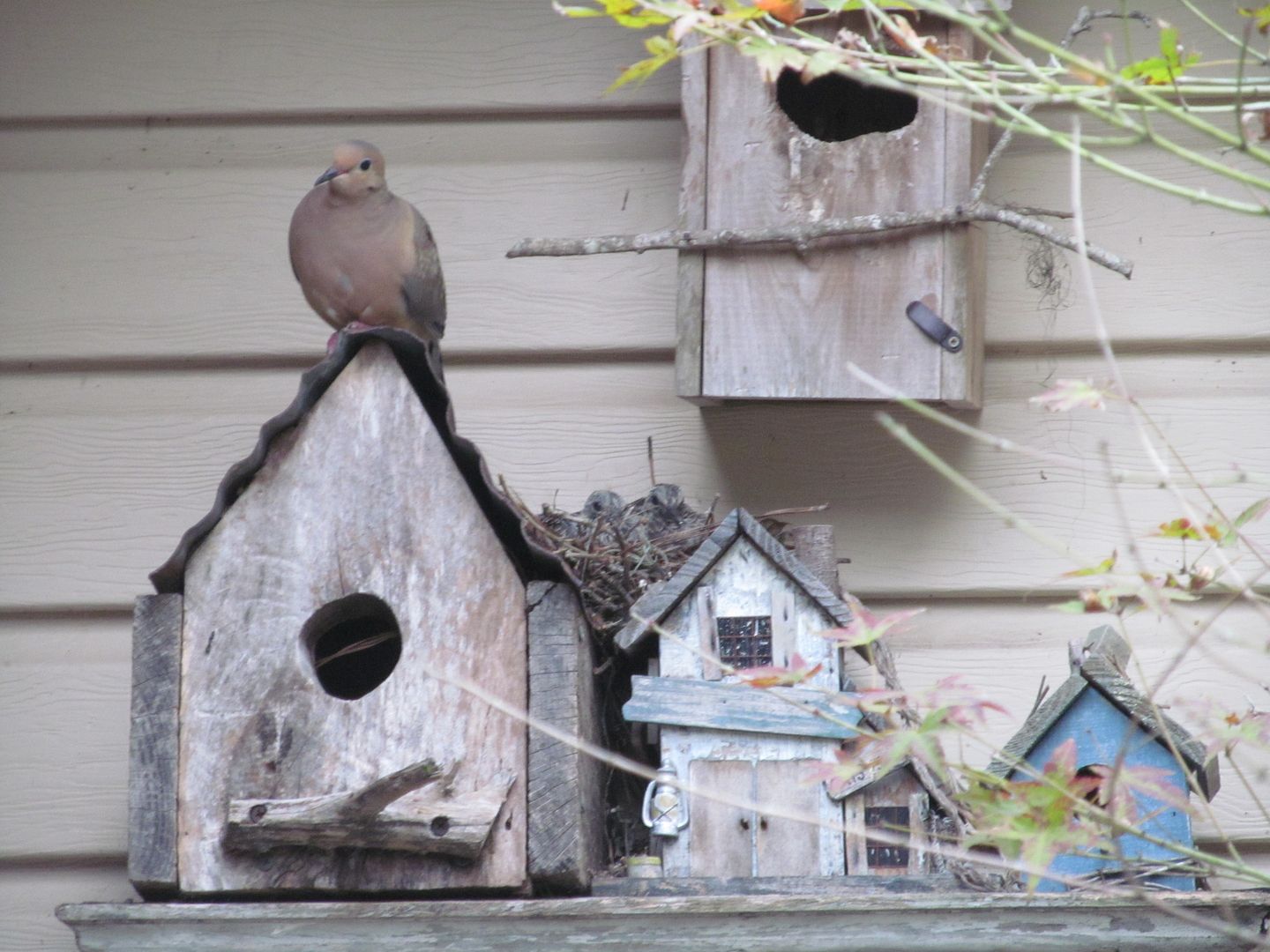
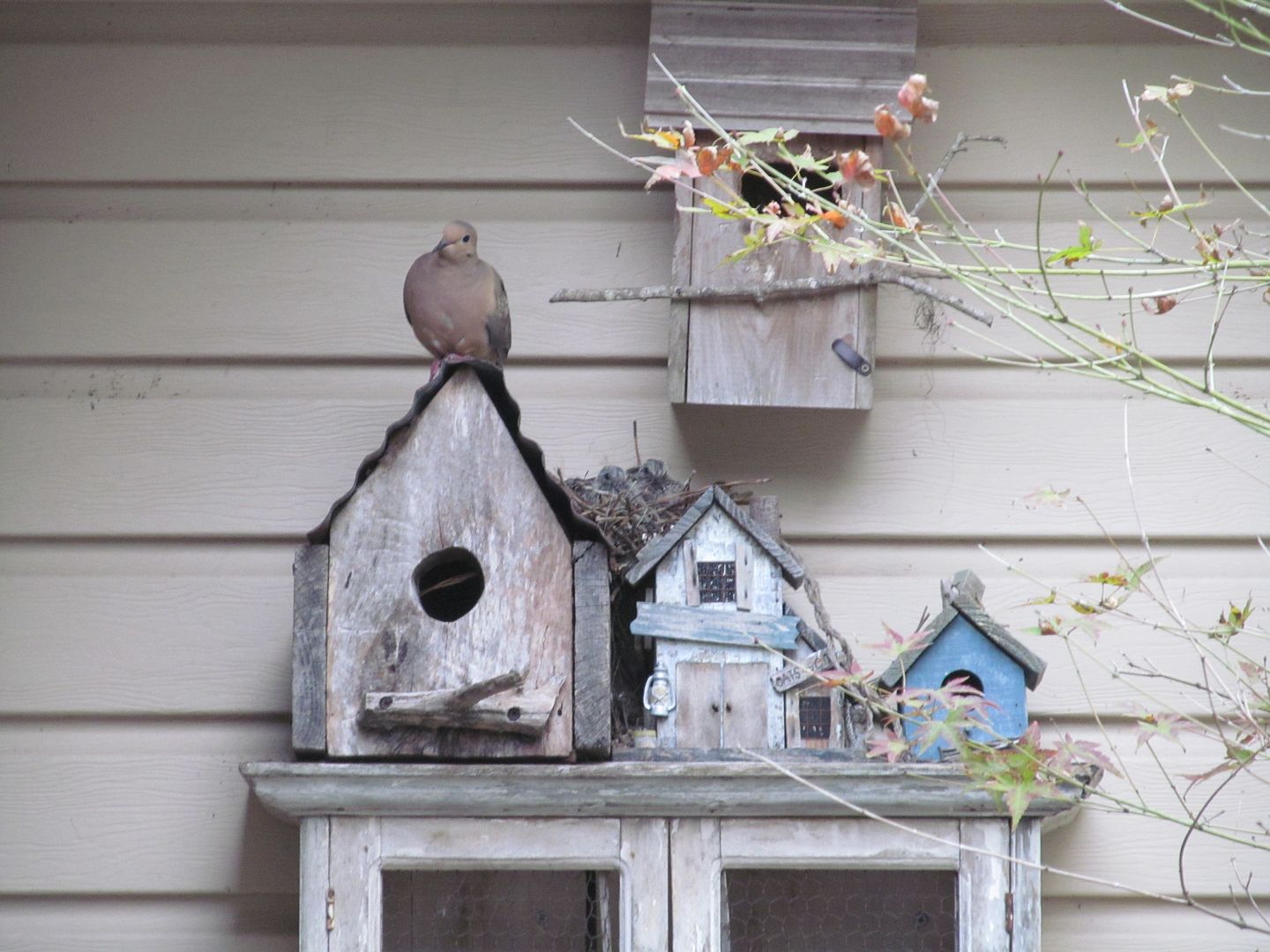
While we were out of town our old feathered friend the ditzy mourning dove built a new nest on top of our birdhouses -- again. I swear, she must have been casing the house. Anyway, she hasn't moved from it for the last week, until today:


When she saw me step out on the porch she moved, perching out of the way to show off her new additions:


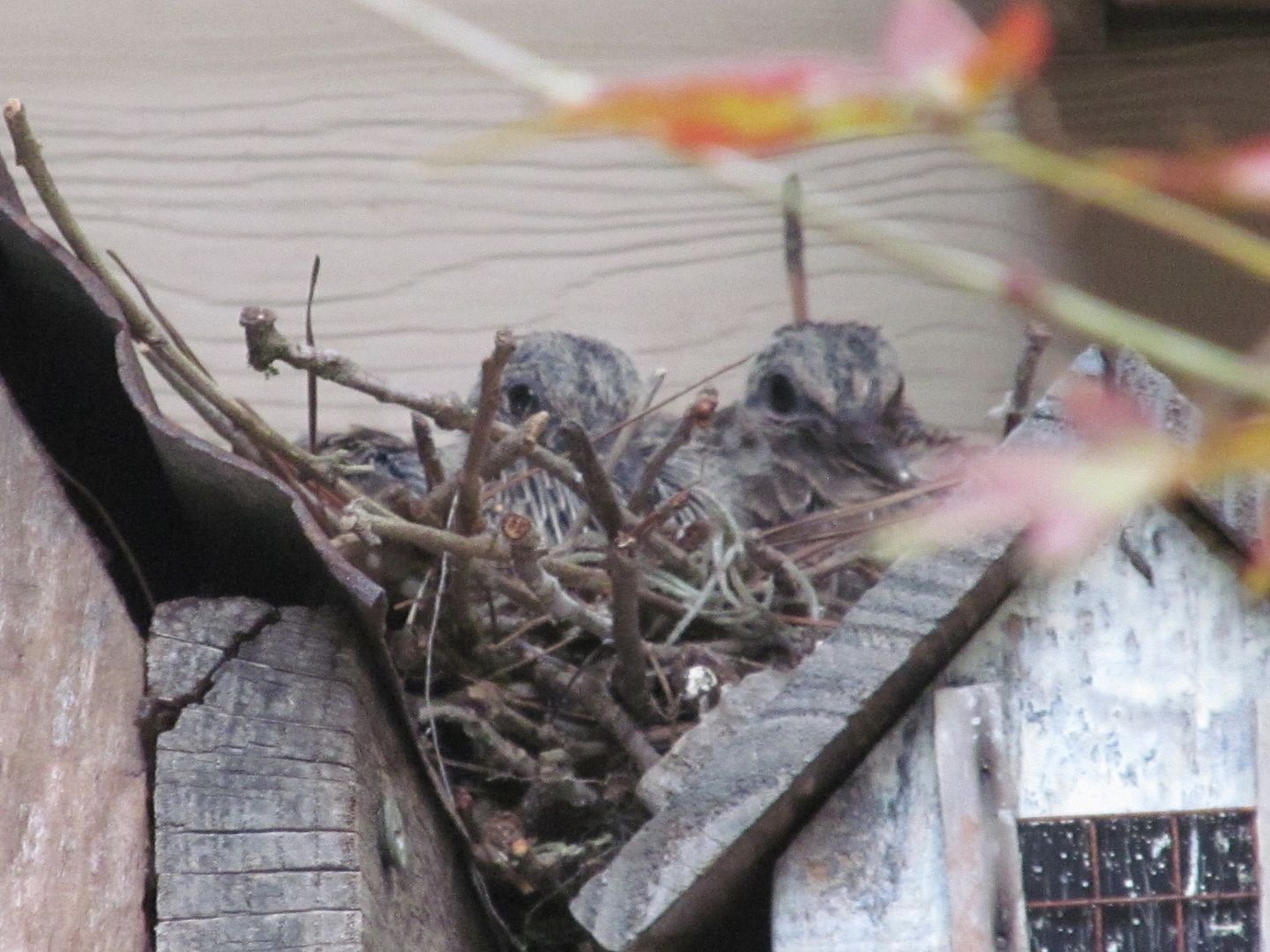
It's hard to be annoyed when you look at their cute little faces; even when one of them obviously inherited his mama's smirk:

Monday, January 21, 2013

Writerisms Ten

Ten Things Writers Say, and What They Really Mean

A book is a labor of love.

Nineteen hours in drug-free hard labor with my daughter was easier, actually.

Being a professional writer is an interesting and rewarding career.

Be anything but a professional writer. Don't make me beg you.

I'm always thinking about my story, even when I'm shopping at the market.

I'm always thinking about . . . hey, are those chocolate-frosted donuts on sale?

I'm so glad you enjoyed the book.

I'm so glad your e-mail was a nice one because I just ran out of Valium.

Maybe Publishing is tough, but I love the competition.

Maybe Wal-Mart is hiring.

My editor is thoughtful with responses and is making me a better writer.

My editor hasn't answered my e-mail and is making me crazy.

So you want to write a book? That's great.

Please don't ask me to help you write your book.

Sure, I can wait another six weeks for payment to be approved.

Sure, I can pawn my wedding rings again. Do you have any recipes for making something edible out of ketchup and beans?

Writing a synopsis isn't so bad. You just have to think about it.

Writing a synopsis makes me break out in hives but I'm too poor to hire someone to do it for me.

You will absolutely love holding your first book in your hands.

You will scream like an air raid siren, shake like you're standing naked in a blizzard and then cry like a teething baby while clutching your first book in your hands. P.S., don't let them videotape it.

Sunday, January 20, 2013

NaNo Now What + Artistic Kid Op

My editor Adam Wilson has a great post over on the Office of Letters & Light blog with advice on what to do now that's its all over. If you're wrestling with how to go from here with your November novel, or you simply want some very good writing and editing advice, definitely check it out.

I'm not a huge fan of gigantic internet corporations, but those who provide nice scholarships for artistic kids get a gold star in my book. Like Google, which is sponsoring the Doodle4Google contest. To quote from their site, it's "an annual program that invites K-12 students in the United States to use their artistic talents to think big and redesign our homepage logo for millions to see. This year, we ask students to exercise their creative imaginations around the theme, “My Best Day Ever…” One talented student artist will see their artwork appear on the Google homepage, receive a $30,000 college scholarship, and a $50,000 technology grant for their school along with some other cool prizes!"


Every U.S. citizen or permanent resident who is currently attending a K-12 school (this includes the homeschooled) is eligible to enter this one, and there is no entry fee involved. To read over the official contest rules go here, and to download the entry form go here. All entries do have to be sent in via snail mail to the address at the bottom of the entry form page. Deadline for this one is March 22nd, 2013.

Saturday, January 19, 2013

Title Logic

After getting into an interesting discussion about story titles over at the Chicas I tried to remember if anyone ever taught me how to come up with my own. In school the teachers were more focused on beating Chekhov and Conrad into our heads than the mechanics of giving a name to a story. Most of the how-to books I've read tend to skim or even skip this topic as well.

Like most of what I do with the work, titling stories evolved as part of my natural writing process. With the very first stories I wrote I used character names as titles or part of the titles (Jean, Glenna, The Diary of Sebatina Hariski) and I think that is a pretty common default among young writers. I then went through a mercifully brief flirtation with Faulkneresque titling (The Wounds of Yesterday, The Power and The Glory) and shock-o-ramas (Postcards from Hell, Let's Drink the Draino) before I began shedding all my drama and paying a little more attention to the story itself and mining what I'd written for title gold.

The first title I can remember being proud of was Realm, a 100K fantasy novel I wrote in four weeks back in 1984. I wanted something that sounded as epic as the story, and since the otherworld I'd built in the book was called the Realm nothing else would do. I wish I could take credit for it, too, but while world-building I actually borrowed it from the very first computer BBS I ever visited (local via the old Prodigy network, and it didn't last long, but it was a neat place to hang with other writers.)

I know the influence that one title had on me as a novelist. I loved the sound and the brevity; it had impact without all the frilly hoopla of my earlier titles. Had I published that book the title probably wouldn't have survived the editor's first pass, but that experience got me thinking in what would be the right direction for me.

From that point on I tackled titling with three goals in mind:

Keep it Simple -- use only one or two words whenever possible.

Make it Unique -- draw the ideas from obscure sources or the story itself.

Go for Memorable -- choose something that would be easy for the reader to remember.

I used to drive myself crazy trying to find that one perfect title (and occasionally still do) but lately I've been trying to change that. Presently I compile ten to twenty possible titles for every story, a list to which I constantly add during the writing process. I'll use my favorite from the list as a working title, but if the editor or marketing doesn't like it, I've got plenty more on hand to offer as alternatives. I can't give you statistics on how many writers' original titles are changed by their publishers, but about half of mine didn't make it onto the cover. If like me you're invested in titling your own stories then it's probably a very good idea to have some backup ready, just in case.

Related PBW links: Playing with Titles ~ Poetry Sparks ~ Ten Things to Help You with Titles ~ Titles That Brand ~ Wordling Poetry

Friday, January 18, 2013

Letter Art

Hardly anyone (except writers and font-lovers) thinks of words as art, but Ji Lee shows us a whole new way to look at them. For those of you at work, this one has some sound effects as well as some risque content. But to describe it in a word?

•?((¯°·._.• βяɨℓℓɨąɲţ •._.·°¯))؟•


Word as Image (by Ji Lee) from jilee on Vimeo.

Video link swiped from Gerard over at The Presurfer.

Thursday, January 17, 2013

Your Dream Franchise

Seeing that pic of StarDocs Coffee yesterday made me think of how I'd franchise my novels into businesses if the opportunity ever arose. I can't really see a chain of java joints in my future -- not really my thing -- but I wouldn't mind lending my brand to a couple of Lynn Viehl book shops. I could have fun designing a Dark Need goth tea room franchise, too, only they probably wouldn't let me decorate the places in black and red. Rats.

Evermore the theme park might work, if I could convince the cast of Full Metal Jousting to staff it and they'd let me live there. Or maybe some Kelly's quilt shops might be fun (assuming quilting ever comes back as a needlework trend.) StarDoc would only work for me as the name of a free medical clinic franchise, which no one would want to run because there's no money in it, so that's off the table.

I know: PBW retreats. Affordable and comfortable beach cottages where writers or readers can spend a couple of weeks working in peace ad solitude. Full prestocked with all the tech, books and supplies they need. Sun, sand, sea and stories . . . yep, that would be my dream franchise.

What would be your dream franchise using your titles, your name or any of your favorite things? Let us know in comments.

Wednesday, January 16, 2013

Hey, I'm a Franchise! Or Maybe Not.


Someone (you know who you are) sent me this, and evidently it's for a coffee shop somewhere in Mexico. Gotta love the name, but doesn't that mermaid look awfully familiar?

Tuesday, January 15, 2013

Smart Edit Goes Pro

Last summer I discovered a freeware editing program called SmartEdit, which analyzes any text you feed to it and provides lists of and stats on adverbs, clichés, repeated words and other problematic content with the text. The program was so useful that ever since I've been recommending it to other writers.

In December SmartEdit went pro, and while it is still available for a ten-day free trial, a license to use the program beyond that now costs $69.95. While I wish there was still a freeware version available for writers who have no funds, I understand that the developer has to earn a living, too. The real question for me was, is the pro version worth the investment? I decided to buy a license, put the program through its paces and find out.

First, the differences between the two programs; the freeware version of SmartEdit checked:

Repeated Phrases List
Repeated Words List
Adverb Usage List
Monitored Words List
Cliché List


The pro Version of SmartEdit checks:

Repeated Phrases List
Repeated Words List
Adverb Usage List
Monitored Words List
Dialog Tag Counter
Cliché List
Separate Dialog & Prose Checks
Misused Word List
Foreign Phrase Usage List
Profanity Usage List
Suspect Punctuation List
Proper Nouns List
Acronyms List
Sentence Start List
Sentence Length Graph
Smart & Straight Quote Checker
Dash and Hyphen Checker
Word, Character & Page Count


One thing I have to note here is that I did fry the computer on which I had downloaded the old freeware version so I can't pull up the old program to double-check if there was anything else it did; I'm going by the notes I put together for last summer's post on it.

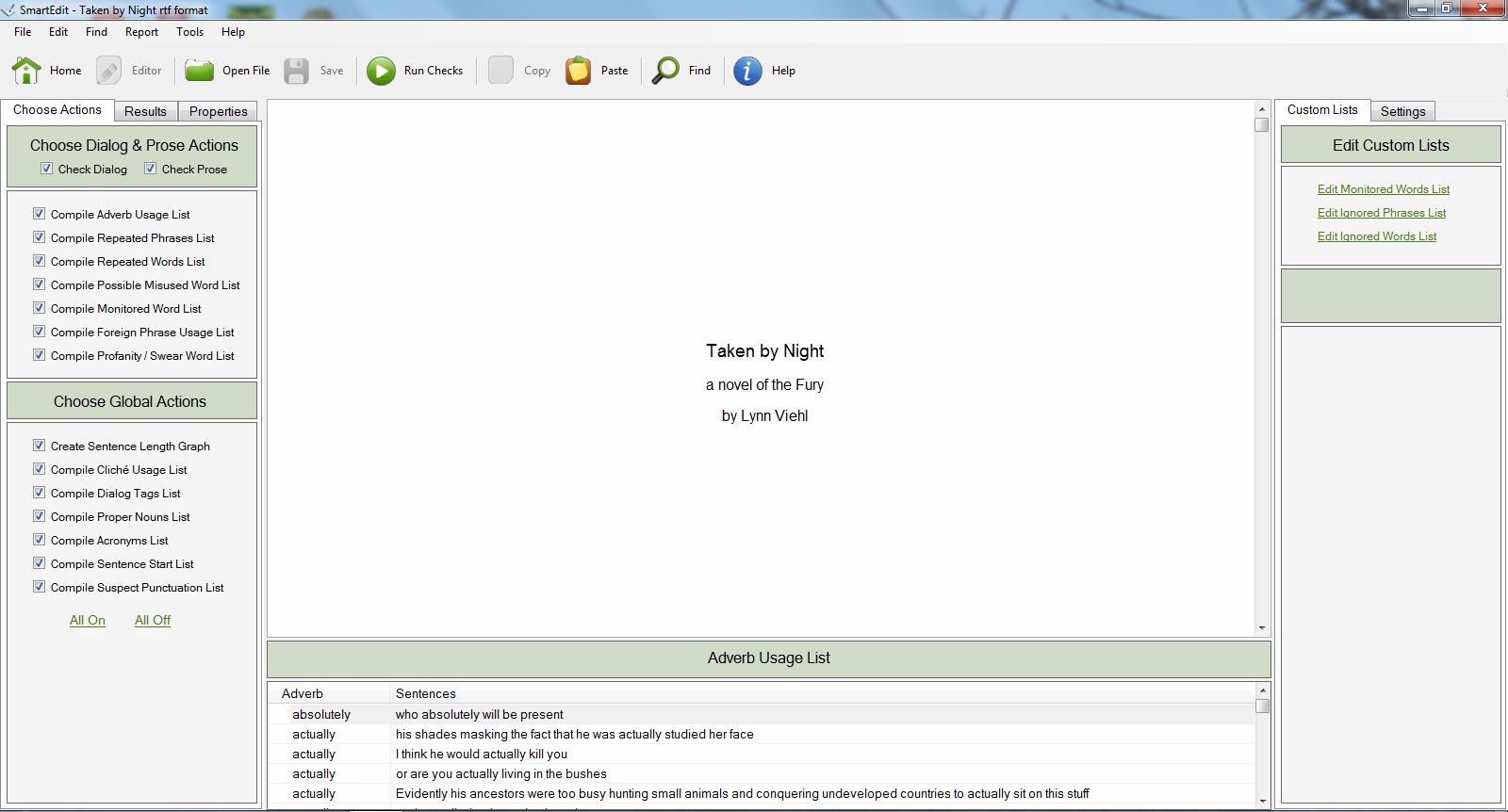
The first thing I noticed as I started up the pro version is that while the basic layout is still the same the program looks much more polished and professional and (obviously) has more options to offer. SmartEdit's scans can be fine-tuned to suit your needs, and also may serve more than one purpose. In addition to searching out problem areas, you can use the program to edit anything from a scene to an entire manuscript in one shot, discover what as well as where your weed words, echoes and other writing weaknesses are, and even create a style sheet for your story.

As before when I test drove the freeware version I decided to feed SmartEdit pro the manuscript for Taken by Night, which was my 50K NaNoWriMo novel and a story that hasn't been edited by anyone but me with the daily edits I did while writing it. I didn't refine any of the scan perameters on the first pass in order to get back the most comprehensive report, and the first report was 210 pages long (which I reduced to 51 pages after eliminating info like all the words and phrases I had repeated only twice, which are reported as a single column.)

As with the freeware version I learned a lot from the scan. The top five phrases I repeated most often were one of the (33 times), out of the (32 times), the rest of (29 times) in front of (17 times) and in the park (16 times.) These are all phrases I would hunt down and weed out as much as possible, along with my individual weed words (i.e. 87 eyes, 41 doors, 39 nods and 31 voices.)

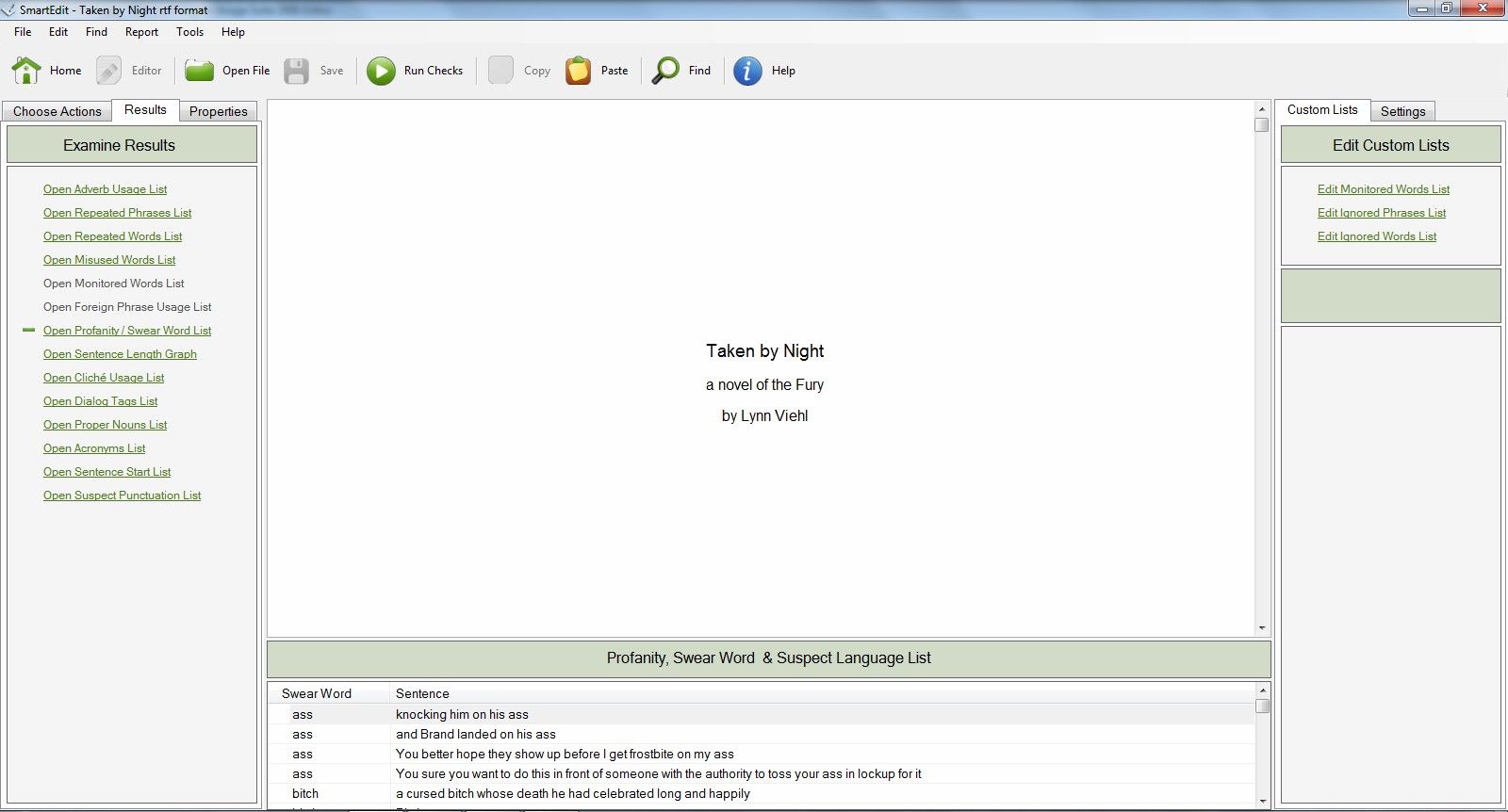
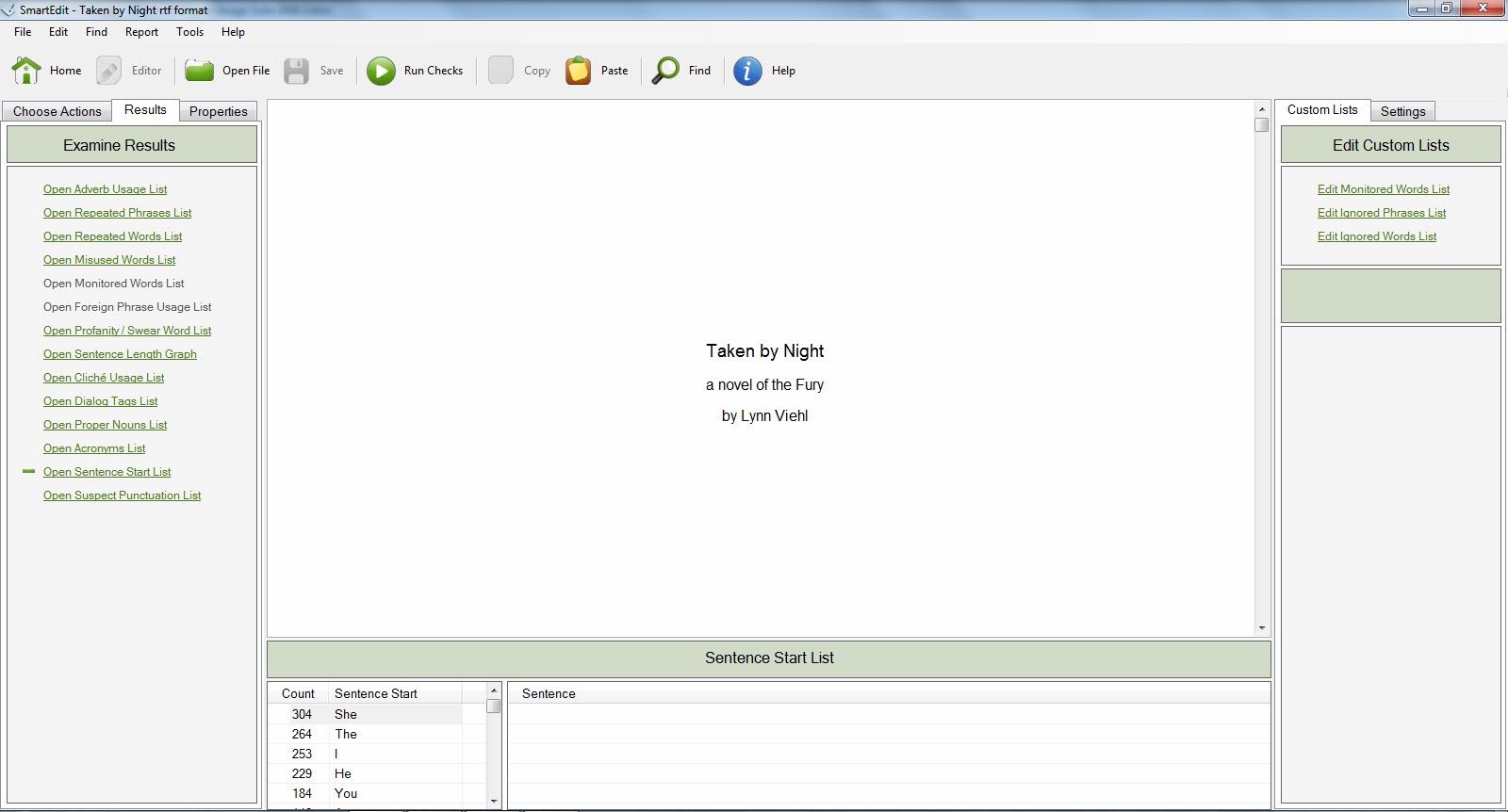
The rest of the report provided lots of new and interesting data for me, too. For example, the scan identified fourteen different words I used that were either profanity or potentially offensive (all intentional and fine with me, but good to know in the event I want to put together a PG version of the ms. to use as a school seminar teaching tool.) My adverb usage report was nine pages long, and while I don't follow that Absolutely No Adverbs Whatsoever rule that seems a bit excessive. I need to take a hard look at my adverb usage during the final edit of the ms. and see if I can trim that down. I also started 304 sentences with She, 264 with The, and 253 with I; it surprised me that those were my top three sentence starters. I put a space in front of a dash 24 different times (typing style preference of mine, and one that most of my editors tolerate) and made one punctuation error by putting a space before a comma (which I do need to fix.) If you'd like to see a copy of the full scan report, I've uploaded it in .pdf format here.

SmartEdit is ideal for me to use as part of my full ms. edit; I'll be working it into my process by running a scan as soon as I finished the first complete draft. I also intend to use it to work on eliminating some of my weed word bad habits as well as simplifying the creation of my own style sheets and foreign language glossaries.

The one major issue I have with SmartEdit is that it's only available for Windows; for now you Mac and Linux users are out of luck (the developer notes that a Mac version may be possible in the future.) I have Windows so it doesn't affect me, but I know plenty of writers who are devoted to their Macs. Since this program is geared specifically toward us I think it should be available to all writers, not just the Windows users.

The freeware version of SmartEdit was a useful editing tool; the pro version is even better, and I think every serious writer should take it for a test drive. You simply can't compile this much information on your own without a great deal of tedious searching and list-making. Even with close attention you will probably miss half of the data SmartEdit can compile for you with a single click. What the program doesn't replace is your internal editor; it's still up to you to analyze the scan results, make the appropriate story decisions and apply that to your manuscript. The nice thing about this program is that it's a good teaching resource for new writers who want to learn what to look for as well as what to think about when they are writing in order to get their manuscripts up to professional level.

Bottom line, is it worth the purchase price? I say yes, absolutely.

Monday, January 14, 2013

Planner Ten

Ten Things to Help Plan Out Your Writing Year

Freeware caution: always scan free downloads of anything for bugs and other threats before dumping the programs into your hard drive.

Calendar: If you don't already own a 2013 calendar, you can pick up one at 50% off at your local Books-a-Million store, or shop the selection online at B&N.com, which is also 50% off until January 28th. For those who prefer a virtual calendar, I recommend Chaos Manager and Rainlendar Lite freeware.

Goals List: You have eleven and a half months of 2013 to write; why not put together a list of your goals for the year? If you've never done this, start by listing the twelve months, and note by each month one or two reasonable goals. For example, January: 1) write every day and 2) put together a writing plan for the year.

Map Your Mind: I prefer to brainstorm ideas on paper and put together notebooks and such, but one virtual alternative to that is using a mind mapper program like XMind to work out your ideas. According to the designer's site the original/non-pro version is still free to download, too.

Organize: Organizing yourself can make writing less of a hassle, so look around and see what you can do to tidy up your writing life. Suggestions: clear out the clutter from your writing space; create files for your current writing projects; restock your office supplies; catch up on your filing; perform any necessary maintenance on your computer; create a new tax ledger for the year, etc.

P&W Awards/Contests/Grants Database: Those of you who are poets or literary writers should check out this site's comprehensive database of awards, contests and grants here and keep an eye on their submission calendar for all of them here.

Planner: While you're out shopping for a calendar you might pick up a desk planner, too; these can be great for recording daily writing goals, expenses and vehicle mileage for tax time, upcoming events etc. You can also date ahead important reminders of appointments, deadlines, expected reponse times and so forth.

Ralan.com: I know some of you short fiction writers are upset by Duotrope's decision to charge five bucks a month for access, which I personally think was a stupid move, too. Don't despair, though; you can still find free market info out there. Ralan's place is the best and most frequently updated free source of open calls, sub ops, contests and dead markets I've found on the internet, and while it's basically geared for SF, Fantasy and Horror writers there are still listings for book publishers, myriad-themed anthologies and other markets outside those genres.

Red Notebook: Because it's calendar-based Red Notebook can be used as a planner as well as a writing tool. See my write-up on this freeware here.

Submission Tracker: If you'd like to better track your subs in 2013, SF author and computer programmer extraordinaire Simon Haynes offers Sonar3, a simple freeware here to help you ride herd on what you're sending out as well as what comes in.

Word Count Widget: If NaNoWriMo has taught us anything, it's to set writing goals and motivate ourselves, and one way we do this is to post and continually update a word count widget on our websites and blogs. If it works during November, why wouldn't it work for the rest of the writing year? To get a freebie, try Writertopia's Picometer or honorless.net's Java-based progress bar (or check out another eleven options over at Writing for Your Supper here.)

What do you find most useful to you when planning out your writing year? Let us know in comments.

Sunday, January 13, 2013

Sub Ops Across the Pond

Irish SF mag Albedo One has announced the International Aeon Award Short Fiction Contest for 2013: "The Aeon Award is a prestigious fiction writing competition for short stories in any speculative fiction genre, i.e. fantasy, science fiction, horror or anything in-between or unclassifiable." [Note from PBW: there is an entry fee of €7.50 for this one, but they've stated they've tried to keep it low, and the amount doesn't make my left eye twitch much.] Length: up to 10K; Prizes: "...Grand Prize of €1000 and publication in Albedo One! Second and third place contest prizes are €200 and €100 as well as guaranteed publication in Albedo One, the leading Irish magazine of science fiction, fantasy and horror." No reprints, electronic submission only, see contest guidelines and a helpful FAQ for more details. Deadline: November 30th, 2013.

The Alchemy Press in the UK has started a new line of novellas: "In the first instance, we aim to publish four novellas a year as eBooks. Then the novellas will be collected together and published as a print book – so readers have the best of both worlds. Our proposed publication schedule for the eBooks is February, May, August and November, with submission dates two month prior to these months (the first of December, March, June and September), although subs may be sent anytime." What they want to see: "We have eclectic tastes. Alchemy Novellas will cover almost all areas of Fantasy – that’s heroic fantasy, alternate world fantasy, urban fantasy, supernatural, dark crime and horror. Comic fantasy will be considered but not if it’s a parade of puns or bad gags. We are not fans of zombies or heroic vampires. We will not publish hard science fiction. Essentially, acceptance will be based on how well the novella works for us." Length: "We are looking for original, unpublished novellas in the 15,000-35,000 word range (preferred length 20,000-30,000 words)." Payment: "We will pay £50 for the initial (ie, first serial) eBook publication and a further £25 on the subsequent print publication, against royalties, plus a copy each of the eBook and the printed book." Query on reprints, electronic submissions only, see guidelines for more details.

UK NewCon Press has an open call for their upcoming anthology Looking Landwards: "The book is being produced in collaboration with the Institution of Agricultural Engineers, which celebrates its 75th Anniversary this year. To commemorate this event, we are looking for original science fiction stories that speculate on what the future might hold for agricultural engineering, farming and food production over the next century." Length: "Ideally stories should be of 4,500 words or less, though this limit is flexible." Payment: "Payment of 1p a word (or equivalent) up to a limit of £45.00 will be made for successful submissions." No reprints, electronic submissions only, see guidelines for more details. Deadline: June 10th 2013.

Saturday, January 12, 2013

Winners

I enjoyed seeing what books everyone who entered the First Read of 2013 giveaway are reading; there is such an eclectic range of authors and stories. I also think Shadow Woman made an interesting start for my new year, too. As for the winners of the giveaway, they are:

Bethany K. Warner, who is reading Felix J. Palma's The Map of Time (I started that one back in December, too, Bethany, but the pacing you mentioned made me decide to set it aside for a less hectic time.)

traveler, who read I'm Your Man, a biography of Leonard Cohen, and is now reading Barbara Claypole White's The Unfinished Garden.

Winners, when you have a chance please send your full name and ship-to info to LynnViehl@aol.com so I can get your books out to you. My thanks to everyone for joining in.