 You know you're a series writer when you never want your stories to end. I happen to be that kind of storyteller. I'm also allergic to happily ever after, don't like saying good-bye, and refuse to believe in Armageddon.
Then there is the frustrating mystery of the appropriate time to stop replying to e-mail replies, which I have never been able to solve. Do I stop replying too soon? Do I drag it out longer than I should? I'd put -30- at the end of mine, but not everyone would get it. And there's no graceful to say "Do you still want to reply, and then should I reply, or is it okay if I stop after you send the next one?"
Hey, I'm a writer. I worry about this stuff.
I also hate ending books, which is why I often rush through writing my last chapter. It's like taking cough medicine; sipping it slowly is simply not possible. For a while it was becoming a real problem for me; during the full manuscript editing phase I almost always threw out the last chapter because it sucked and rewrote it from scratch. Then someone mentioned online that they wrote their final chapter way before they got to it so they could work toward an ending versus screeching to a halt and wrapping it all up (and I'm sorry, but I don't recall who said that or I'd give them credit.)
I'm also a linear writer, in that I write from beginning to end without stopping, so I knew from the start that this was not going to be easy for me. Still, I wanted to see if it worked, so I tried it. I stopped when I was writing in first third of the book, and put together a draft of the last chapter. Once I finished it, I parked it at the end of the manuscript anyway and went back to pick up where I left off.
I don't think about what I've already written while I'm writing, so I forgot about it. And sure enough, when I got to the end of the book and started getting the usual, "Oh, God, I have finish it" heebie-jeebies, the ending was already there, like a nice little light at the end of the bridge.
Now granted, that last chapter draft was pretty rough, and needed plenty of revision because certain things had changed during the process of the novel. But I am much less stressed when I edit, especially when I have a completed manuscript to work on. I also didn't take as much time off between the writing and the full manuscript edit because I wasn't annoyed with myself or how I'd written the ending. Having it waiting for me was actually energizing.
If you wrestle with your endings and want to try this method, I have a few suggestions:
Know how you want your book to end (obviously writing ahead isn't going to work for organic writers) and briefly outline the chapter before you write it.
Write light. This is a draft, not a finalized chapter, so keep it simple and nail the most important details.
Characters, dialogue and action make a great framework for a draft chapter. Avoid things that bog down the writing, i.e. tons of description, endless setting, weather reports, travelogues, etc.
Don't tell yourself it's set in stone, because it's not. If it sucks you can always toss it and rewrite a new version from scratch.
Writing the last chapter while you're still working on the front of the book also has one final benefit: once you have it written, the book is technically finished. Then all you have to do is write toward that light at the end of the story bridge.
Image credit: © Karin Jehle | Dreamstime.com


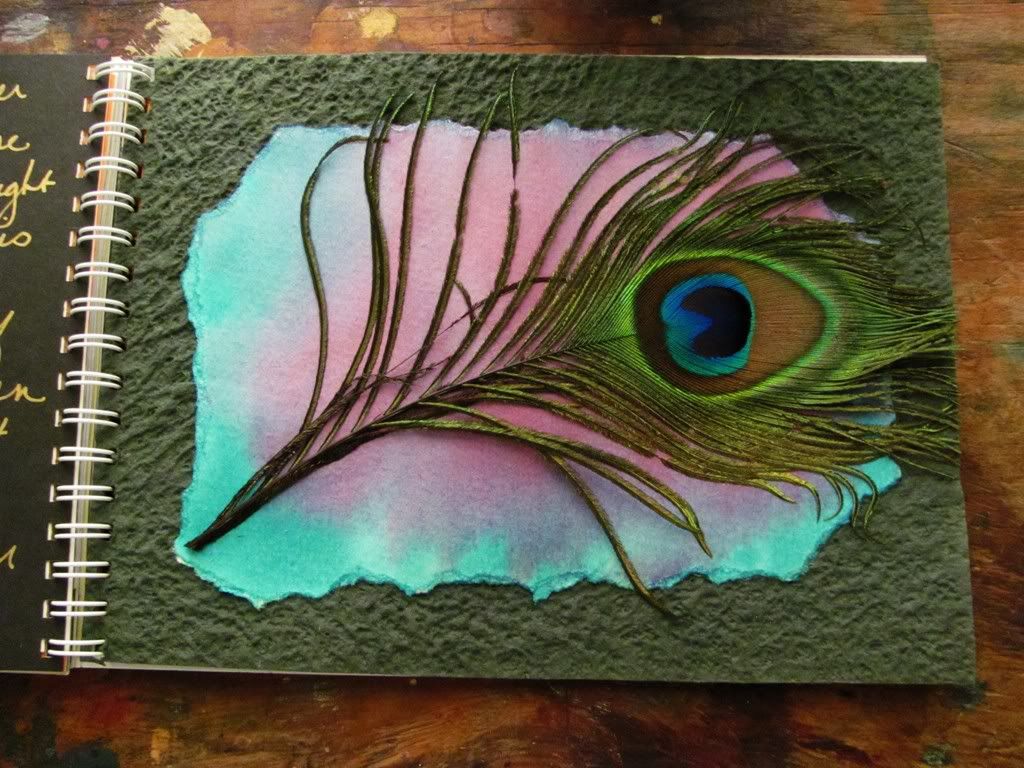 This collage page from one of my journals uses art as a personal metaphor, one I put together for the beauty I find in writing. My computer is nowhere near as gorgeous as a peacock feather, but the feather represents both how I see and what I try to do with my writing instruments. Behind the feather is a torn fragment of a watercolor I painted that I wasn't happy with, to symbolize my vision of the story (and my eternal conflict trying to realize it.) The rough dark page is the world beyond my story; the audience I can't see, the void I want to fill.
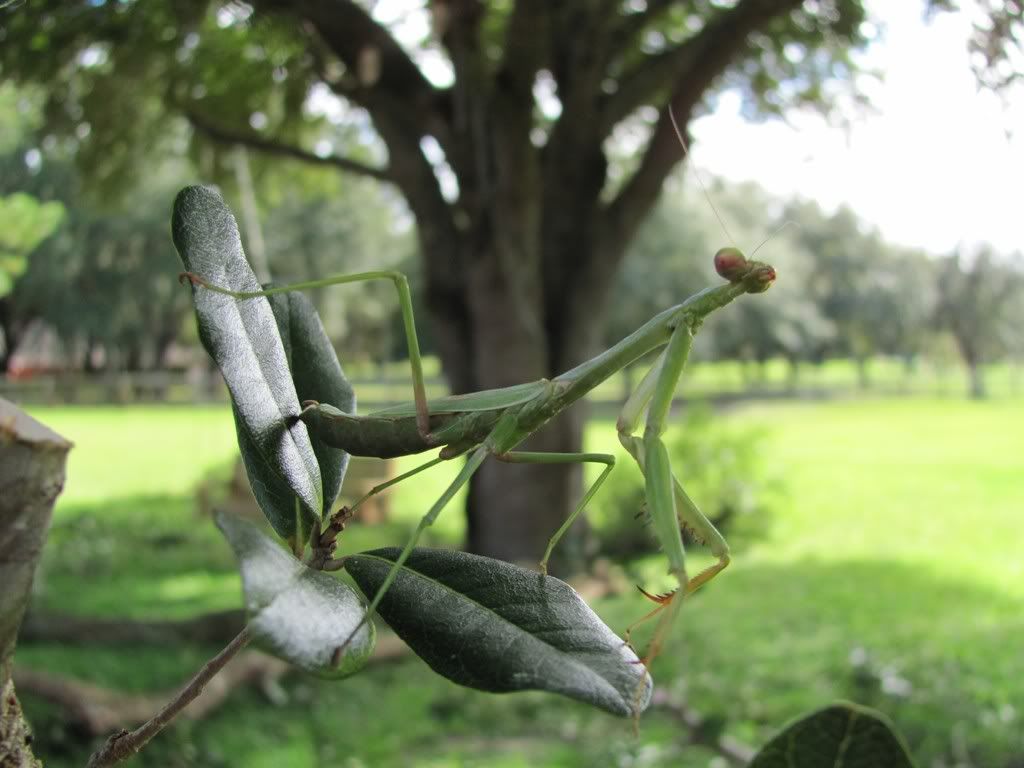 Sometimes metaphors are intensely personal, and without shared experiences, can be inexplicable. For example, while trimming trees last weekend we accidentally made this preying mantis temporarily homeless. We moved the mantis out of harm's way to a smaller tree, and now every time I mention a mantis to my guy, he'll remember everything that happened when we saved this one. If I use the mantis as a metaphor while talking to my mom, she'll just think I'm talking about a bug.