Guess who volunteered to schedule today's post to automatically publish, and then forgot? Yep. Sorry, Tom.
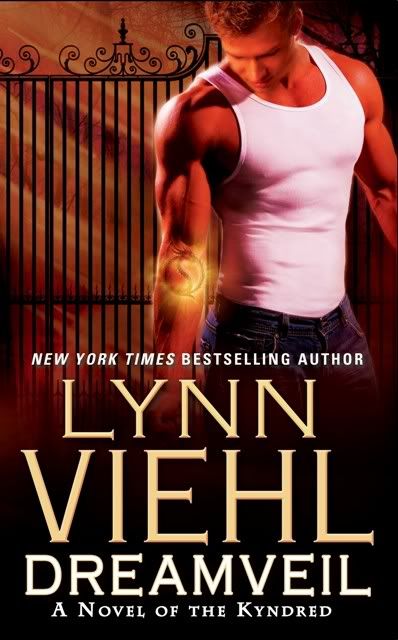
Dreamveil, the second Kyndred novel and Rowan's story is off to production, and while I refuse to jinx it by talking about it too much, it's definitely one of the strongest books I've written in a few years.
My editor didn't think I could pull off Rowan's book, but after reading the manuscript she didn't request any changes except some technical corrections and some additional clarification of one plot point for the reader. When that's the extent of your revision requests, you know you nailed the story. But from the moment I started writing the synopsis for this novel, I knew it was strong. I could visualize every detail. I knew the characters, down to what socks they wear and toothpaste they use. And while the twist was something I've never before attempted, and certainly not The Usual Stuff, it came together without a single hitch.
The ending of
Dreamveil (again, not the usual sort) was in my eyes damn near perfect. I don't brag often because I'm not perfect and I don't do perfect. I generally rush endings and I know it. But this one made me so happy I was tempted to print it out and show it to people like a new baby while I cooed, "Look! Look what I did! Call my mom!" Actually I don't think I've ever been as satisfied with an ending for a novel as I am with this one.
When I have a story hit the pages like this, I try to analyze it, and see what it is that I did that made it work out so well during the writing phase. I want to be able to do that with every book, and I can't, and that frustrates me.
I know it's not me. My methods don't vary, I use the same basic routine with every novel, and while I always strive to produce an original, unique storyline I outline, draft and edit the book in the same way each time. Each series I write has a specific structure and tone that I put in each novel to provide continuity, and unless it serves the story I don't mess with that too much because that's the glue that provides cohesiveness.
I hesitate to say any book writes itself, because even with a strong story there's too much work involved. Every novel is a mountain to be conquered, and none of us can leap over them in a single bound. It's days and weeks and months of intense work, every time. When I think of how many years it took me to pull together all the elements, do the research and then work up the nerve to write
Blade Dancer, I still wince.
Some books are insanely difficult to write on an emotional level, and I've had a couple of those.
Endurance, StarDoc book three was the toughest book I've ever written; I fought my way through every paragraph and it kept kicking me in the teeth all the way to the last page. In the end I won, but the experience was such that after nine years (Lord, has it been that long already?) I still can't read it.
I'm not sure, but this time I think it was the constructs of the characters. I don't think I've put together a cast this defined and strong since I wrote Red Branch. I didn't have to write up worksheets for this bunch; they were all there from the moment of conception. And I have no idea why. None of it was deliberate. They just showed up.
Maybe the key to writing a strong book is not to question how you did it, or try to repeat it, but I want to know. It would make my writing life a hell of a lot easier.
What do you do when the story comes out clear and strong? Do you try to figure out what made it happen? Or do you accept it as a gift of the Writing Gods and move on? Tell me what you think in comments.
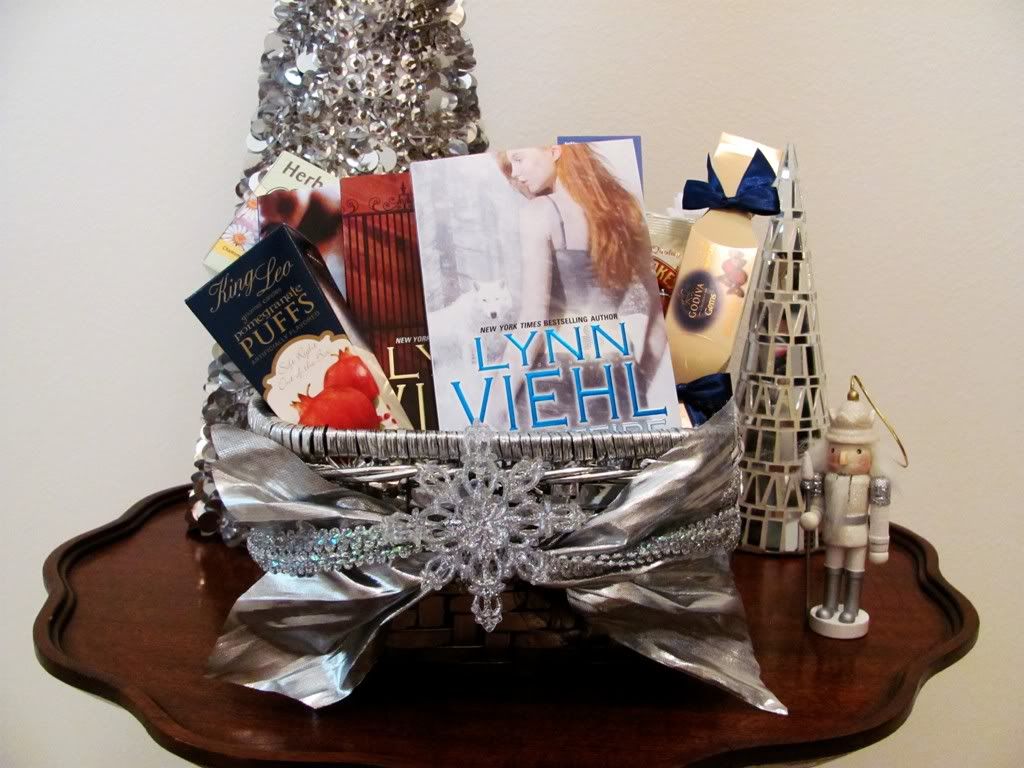

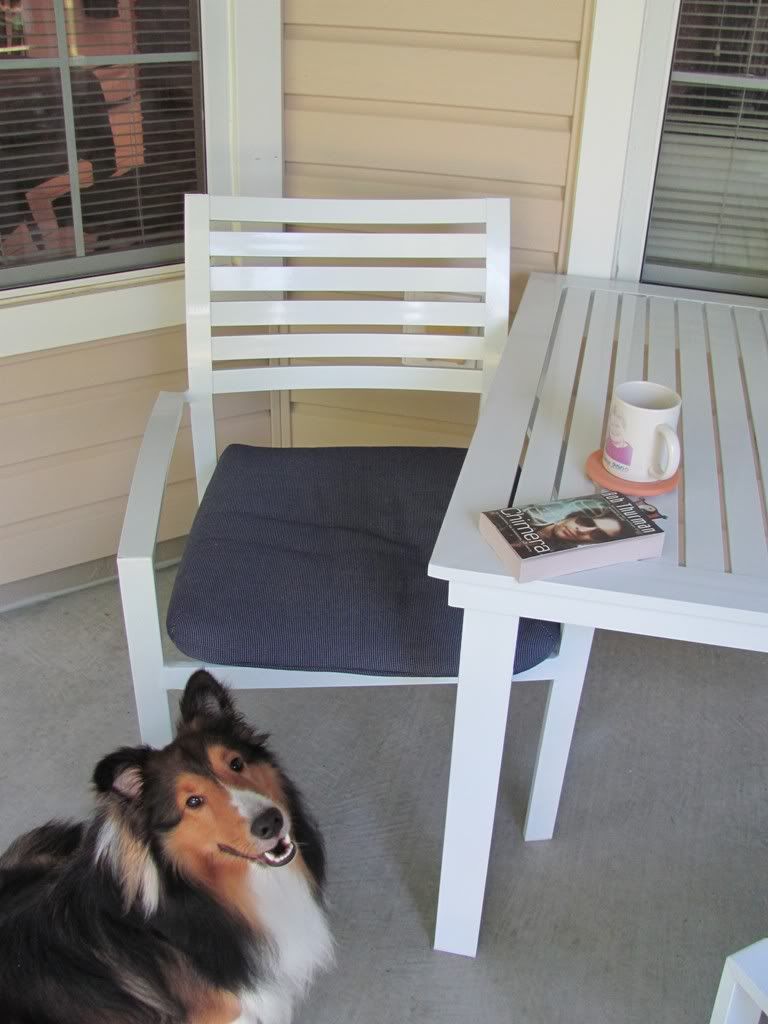 When and where we read often has a direct effect on how much we enjoy reading. Certainly I'd rather be on a beach watching the waves roll in than sitting in a doctor's waiting room or being twisted into a pretzel by my physical therapist. Most of my time is spent at home, however, so I have reading nooks all around the house. My bathtub (I love to read when I'm soaking), the comfy but not-too-comfy sofa in my office, and a folding chair in the garage are popular reading spots.
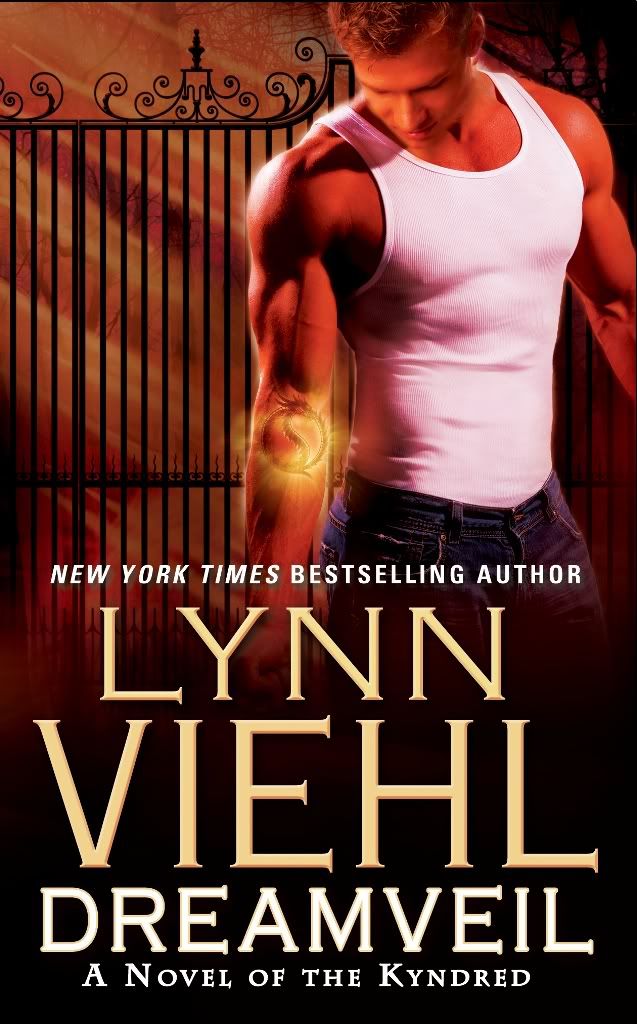 Ten Reasons You Should Consider Buying (or Requesting) Dreamveil by Lynn Viehl
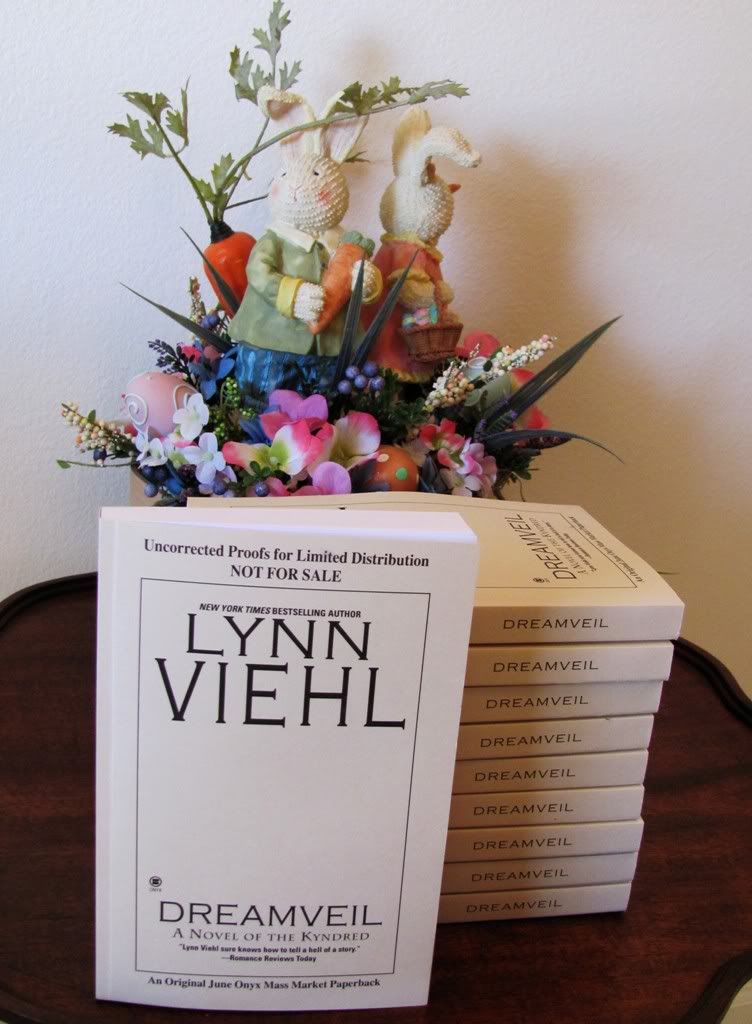 I received a nice box of ARCs for Dreamveil, my second Kyndred novel, and got to work on a giveaway post for them this morning. I deleted it and rewrote it, and deleted and rewrote it, and kept that up until at last a shampoo manufacturer called to see if he could hire me to ghost-write instructions for his product labels.