Showing posts with label notebooks. Show all posts

Monday, January 09, 2017

Notebooking 2017

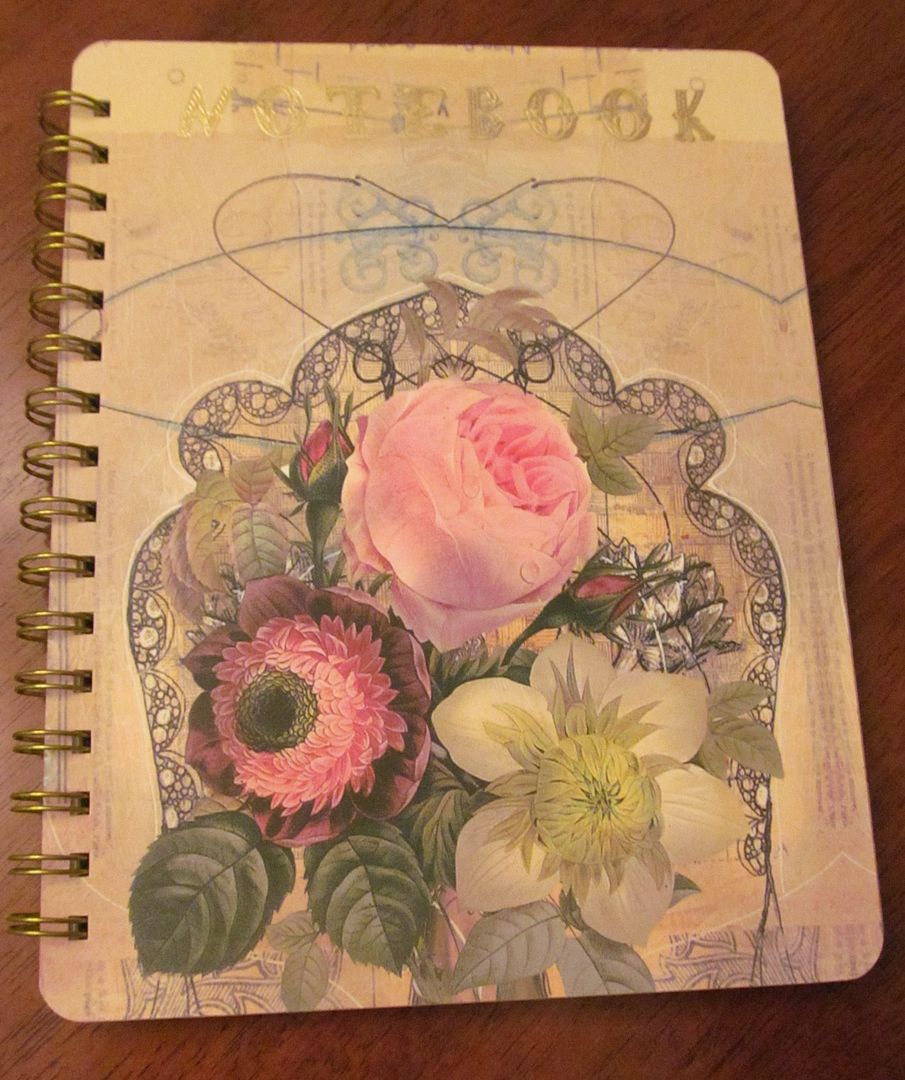
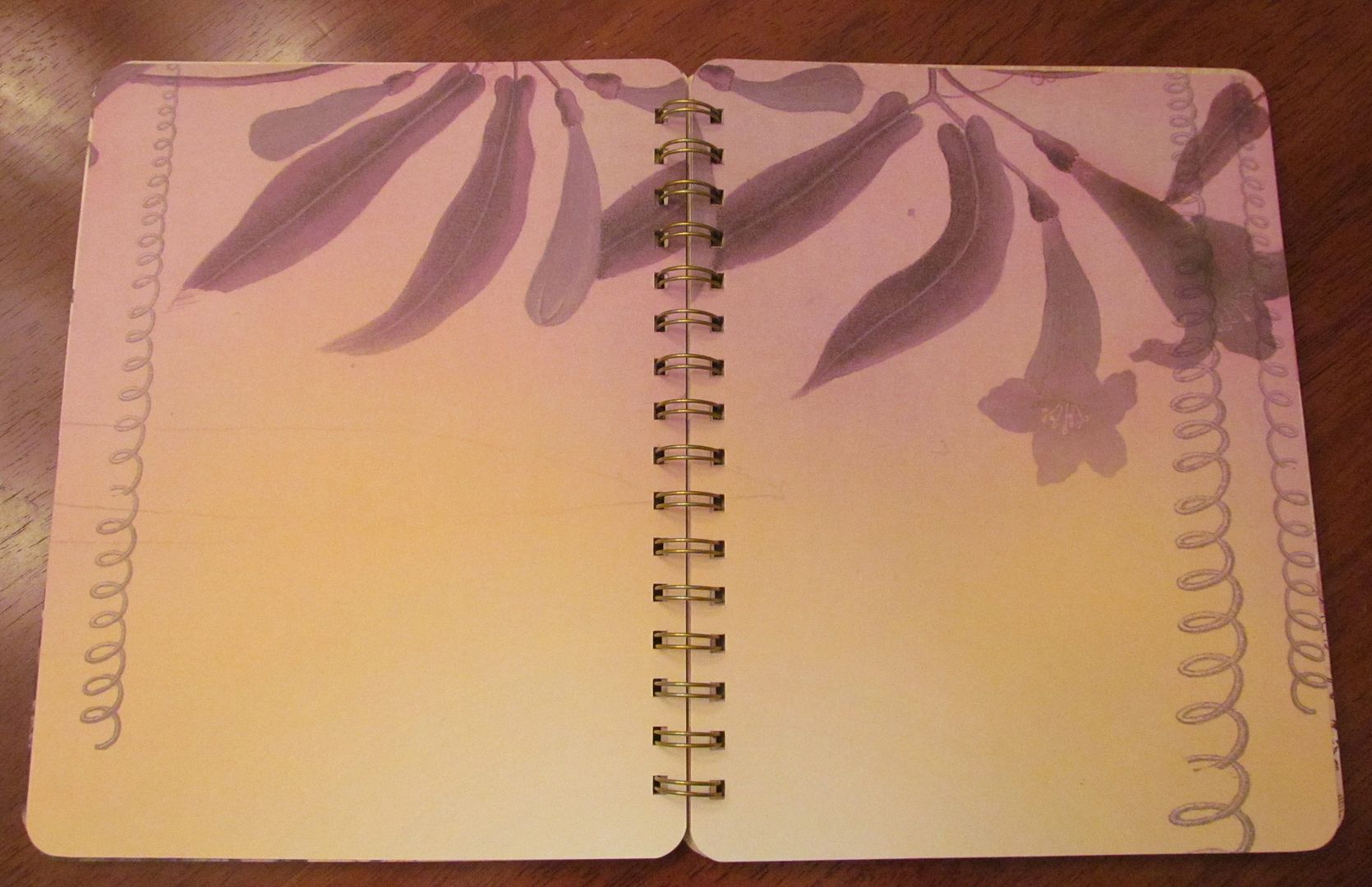
This year I'm trying a different approach to keeping track of my progress with personal and business projects. Instead of keeping a regular journal, a writing idea journal, a business journal, a quilt journal and a weight loss journal, I'm keeping notes on everything in this one notebook.

So far it's worked pretty well. It saves time, as I don't have to switch between journals to check on something else. I won't misplace the notebook because I carry it around with me all day whatever I'm doing. I can also schedule ahead with more confidence because everything is in one spot. I've never journaled like this, so it feels a little weird, but I figures I'd give it a couple months and see if it works better than my old system.

Right now I haven't planned any of my schedule except for work, my weight loss finish line, and a family visit in March, but I'd like to put some full-month pages or dated bullet lists in the notebook so I can look at the entire month in advance. 2017 already feels like I should be keeping things open and flexible, too, so I plan to save at least one day a week as an anything-goes spot. In between all the work, family and home stuff I'm also tinkering in the notebook on my secret project for 2017, which makes it a little more fun.

How are you dealing with 2017? Planning or no planning? Any tips on how to keep on track? Let us know in comments.

Thursday, January 28, 2016

Recomposition Book #1

Before I get into the details of my first composition book makeover, I should explain the slightly-off weirdness of the pictures I took. On the day I started this project the little video display window on the fancy new Nikon my guy bought me last year stopped working. Basically I had to point the camera and shoot blind, then download the pictures before I knew how they came out. Fortunately Target has a very nice return policy; they took back the camera and gave me a brand-new replacement without a bit of fuss.

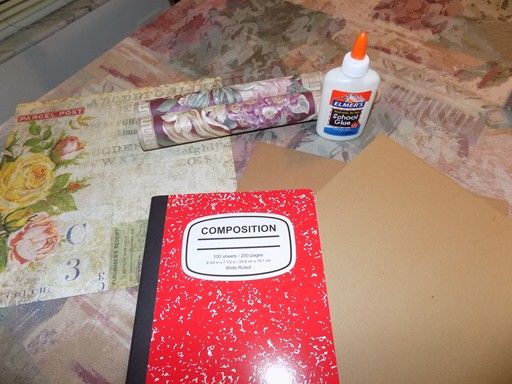
Onto the project: for this one I kept it very simple and uber-green by raiding the paper recycling bin for two pieces of the thin cardboard (mine were inserts from two of the wall calendars I bought for this year), a wallpaper border remnant, and a piece of pretty scrapbook paper. I also used a paper trimmer, scissors, a small paintbrush and some washable school glue:


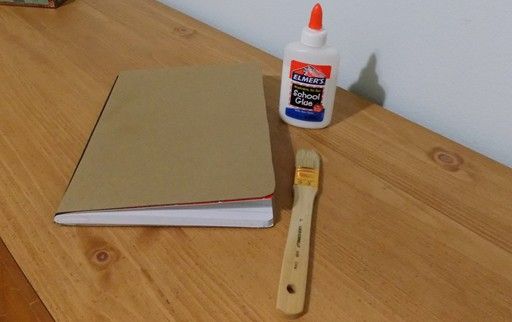
The covers of the composition book are really flimsy card stock, so I needed to reinforce them first. I cut the two cardboard pieces to fit the front and back covers, glued them on, and let the notebook dry overnight (and to keep everything from warping I sandwiched the notebook between two bigger, much heavier books):


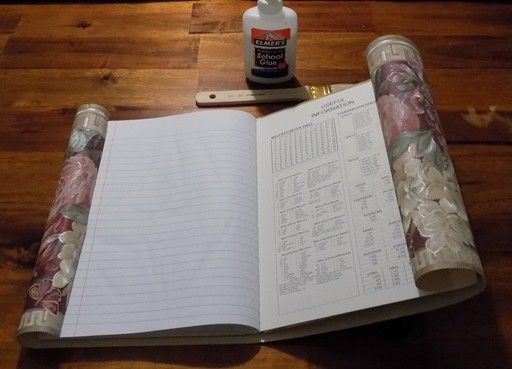
I fit the wallpaper border remnant as the outside cover for both the front and back covers, and folded the ends over inside before I glued that on and left it to dry overnight:


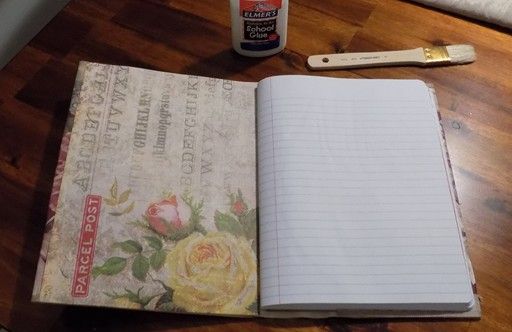
I then covered the insides of the front and back covers with pieces of the scrapbooking paper, glued that down, and left that to dry overnight:


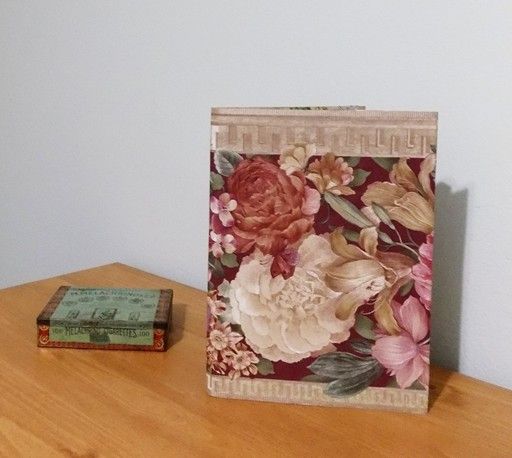
Here's the end result:


I liked how elegant the composition book looks now, and it's certainly sturdier. I was especially happy to finally use that wallpaper border remnant, which is one I found when we moved into this house (the previous owner's wife had them decorating the ceilings in practically every room.) I also didn't have to cut the wallpaper to fit; it was the perfect size for the covers.

More recomposition idea linkage:

Dream a Little Bigger has a tutorial here on how to re-cover a composition book.

Ashley Hackshaw has a post here about turning a composition book into an art journal.

Ellison Lane has directions here on how to sew a quilted cover for a composition book.

Momtastic has instructions here on how to give a composition book a chalkboard cover.

Thursday, January 21, 2016

Recomposition

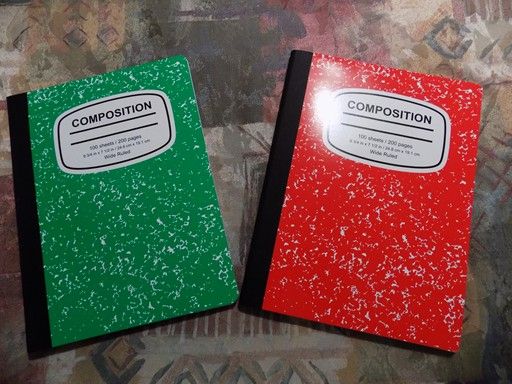
One project I started but never finished last year was making over a standard school composition book. I got as far as buying the materials before work dragged me away. It's actually good that I stayed too busy to go back to it, as my initial idea was pretty complicated. While doing some pre-spring cleaning in the office this week I found these two extras:


The composition book, also known as a copy book, study book, student book and a lot of other regional terms, is one of the few things I loved about school. I always had one with me, and they often kept me out of trouble. After using the first couple of pages for schoolwork I would devote the rest of the pages to journaling, short stories and even some sketches. I wouldn't have wasted the first pages except they made excellent camouflage for when the teacher would walk by my desk (which is how they kept me out of trouble.) I still get a warm, fuzzy feeling every time I see one. I think my mom used to buy them for five or ten cents each.

Composition books remain pretty cheap; I always see them at dollar stores, and the two I have here I got on sale at Target last January for fifty cents each. Let's see what I can do with them this week to make them less schoolgirlish and more fun.

Tuesday, January 19, 2016

Notes Limited

I'm a notebook addict; I use several notebooks every day, read and talk about notebooks online, and even collect interesting notebooks. My latest acquisition came via reading this post over on Notebook Stories about a European notebook maker who incorporates beautiful vintage papers as covers. I fell instantly in love, popped over to Notes Limited's web site and ordered one for myself, which just arrived:


It's a beautiful little notebook, and the vintage paper used to make the cover is almost as old as I am, yet looks pristine and new. The makers included a handy slip cover to help keep it tidy, and a little slip of paper with the edition number and info on the cover:


Definitely not cheap -- I think it worked out to about twelve dollars US -- but to me some things are worth a little extra $$$.

Monday, September 21, 2015

Color Week #5: Color Collection Notebook

Creating, collecting and keeping handy all your color-related stuff for stories is a lot easier if you have a notebook in which you can work and store your reference materials.
For this you'll need:

a good size, sturdy three-ring binder
a three-hole punch
a package of top-loading sheet protectors
ruled notebook paper or a spiral-bound notebook with binder holes
dividers in the basic color spectrum (optional)
ziplock bags (optional)

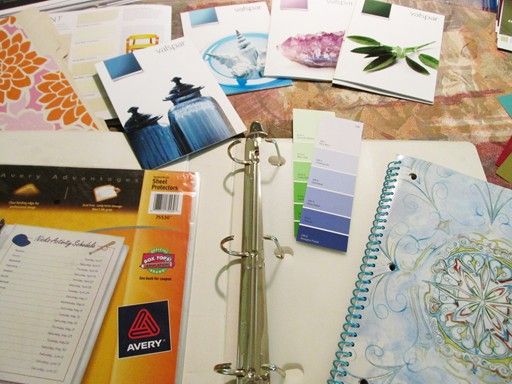
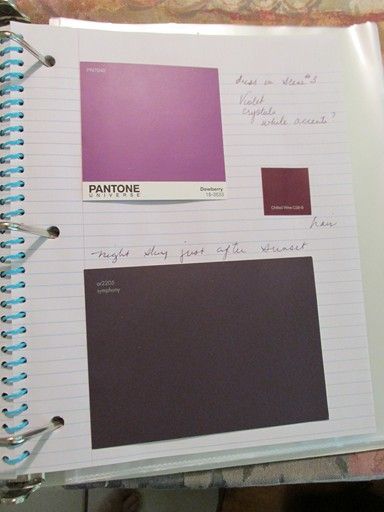
How you set up your notebook should be what works best for you, but I generally go with dividing sections into the color spectrum first, then keep particular color combinations in a palette section, and put my notebook paper in the very back of the binder (I also use a spiral-bound notebook that I can remove from the binder and take with me for trips to the home improvement store or wherever when I'm hunting new color ideas.)

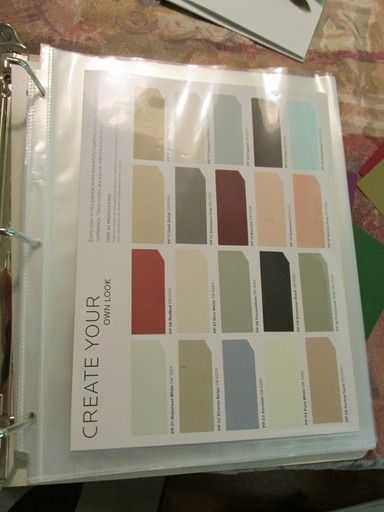
If you collect or make color charts, store them in your sheet protectors so you can reference them without having to remove them from the notebook:


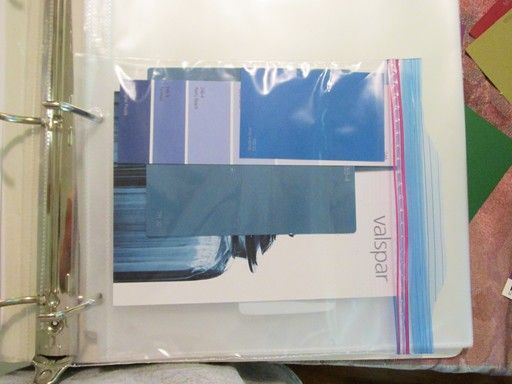
For smaller items like paint chips, swatches and other bits can go inside your sheet protectors, too. Since they're cheaper than sheet protectors I like to use ziplock bags to hold the little stuff, and punch holes in the bottom of mine like so:


My ideas, word list charts, particular story placements and all the other writing-related work I do go in my spiral-bound notebook:


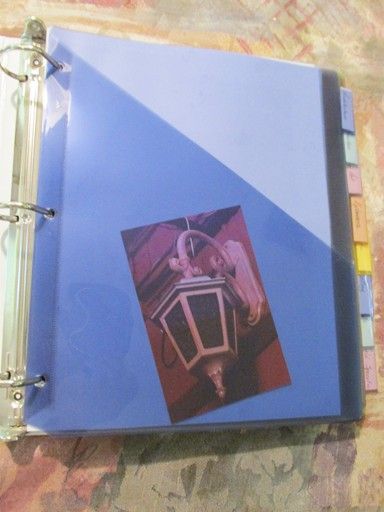
If you like to be super organized you can also use color dividers (the kind with pockets can also hold your little bits, too):


Your color notebook is also a great self-teaching tool. Once a week take it out and go color hunting, as I do, to find new words, shades and descriptors to add to one particular color section. Make a habit of this, and in no time you'll have a wonderful collection of colors to use whenever you're writing.

Tuesday, April 28, 2015

RedNotebook

A few years back I test-drove RedNotebook, which has a new version that's just been released. This is one of the more interesting and easy-to-use electronic journal freewares out there, so I thought I'd post the info and links for anyone who is looking for a free electronic notebook or journaling program:

RedNotebook is a graphical diary and journal helping you keep track of notes and thoughts. It includes a calendar navigation, customizable templates, export functionality and word clouds. You can also format, tag and search your entries.

Features:

Enter text for individual days and navigate using a fancy calendar
Add Categories to days and fill them with content
Tag your entries
Format your text bold, italic or underlined
Insert Images, files and links to websites
Links and mail addresses are recognized automatically
(Live-) Search
Automatic saving
Backup to zip archive
Word Clouds with most often used words and tags
Templates for each weekday and arbitrarily named ones
Export the journal to PDF, HTML, Latex or plain text
Graphical preferences dialog
You can have multiple journals
RedNotebook is open source software, you are free to use and redistribute it under the terms of the GPL
Translated into 16 languages
The data is stored in plain text files, no database is needed
Direct PDF export
Markup highlighting
Use webkit more extensively
save your journals on a remote server (SSH, FTP, WebDAV)
RedNotebook is fully translated into 16 languages (make it speak your language)
Optional tray icon and spell checking
auto-completion and command line functionality

(OS: Win 98/ME/2000/XP/2003/Vista/7)

Wednesday, September 26, 2012

Not-So-Blank Notebooks

Hunting around for not-so-blank journals made me realize that notebooks are changing, too.  For years writers as well as school kids have depended on the ruled white pages of composition books and spiral-bound notebooks to contain their scribbles; I've used hundreds, possibly thousands of them myself.  Finding new and creative versions of these old standbys delighted me, mainly because I didn't expect to see notebooks change -- but they have, and in wonderfully imaginative ways:


This composition-size spiral-bound notebook has an antique look to it, but the real surprise is between the covers:


Instead of the usual white ruled pages, this notebook has pages printed with four different colors and artistic designs.  What it doesn't have is a single line, so you have plenty of room to write, sketch, mount photos or images and otherwise fill the pages however you like.  From Papaya Art; I got mine for $10.76 at my local art store.

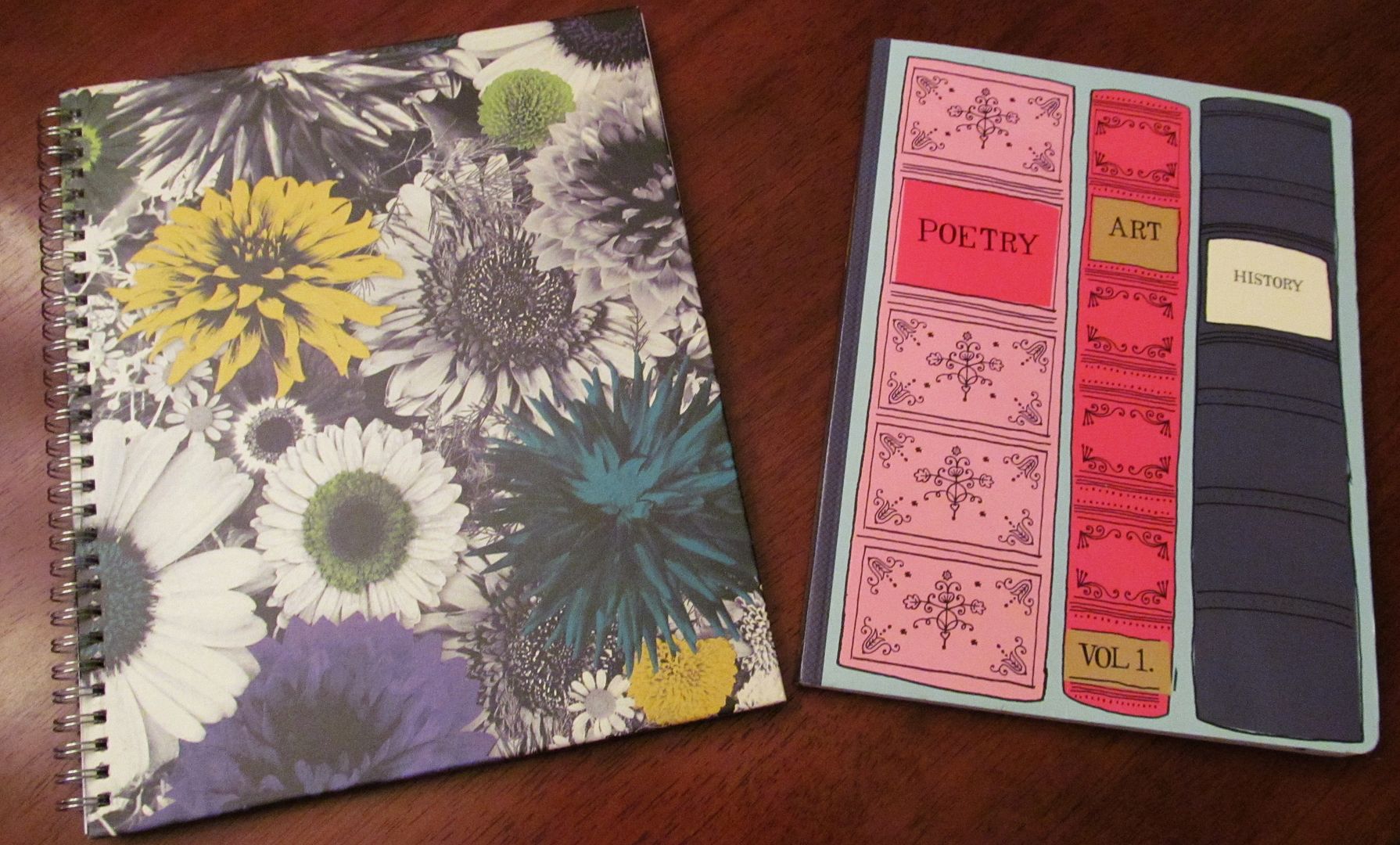
You don't have to shop at an art store to find interesting notebooks; I found these two at Target for under $10.00:


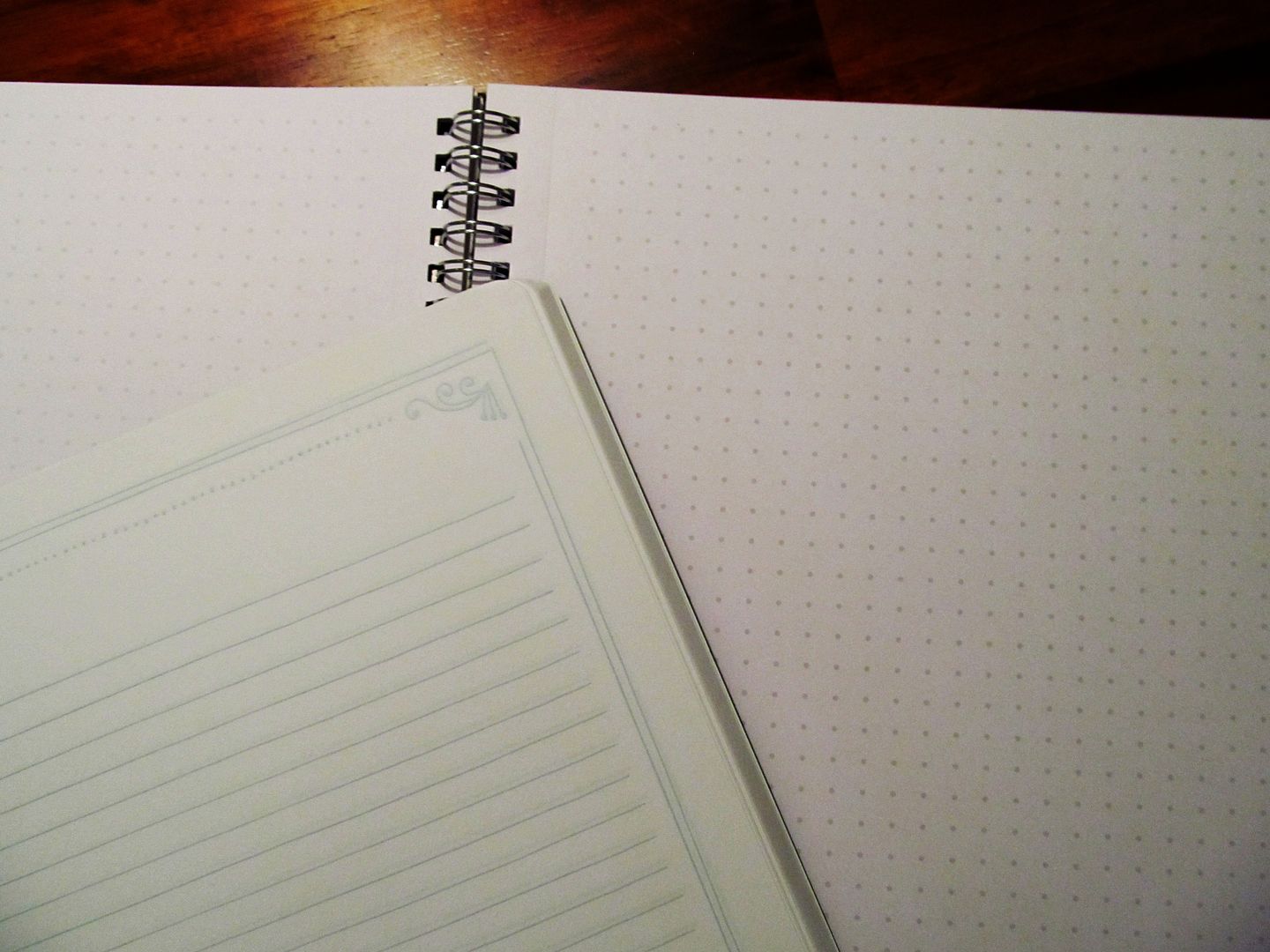
The inside pages of the notebook with the flower cover have light gray dots instead of the usual lines (handy for anyone who wants to work out maps or other types of drawings on a gridded surface) while the Poetry/Art/History composition book offers a more elegant spin on ruled pages:


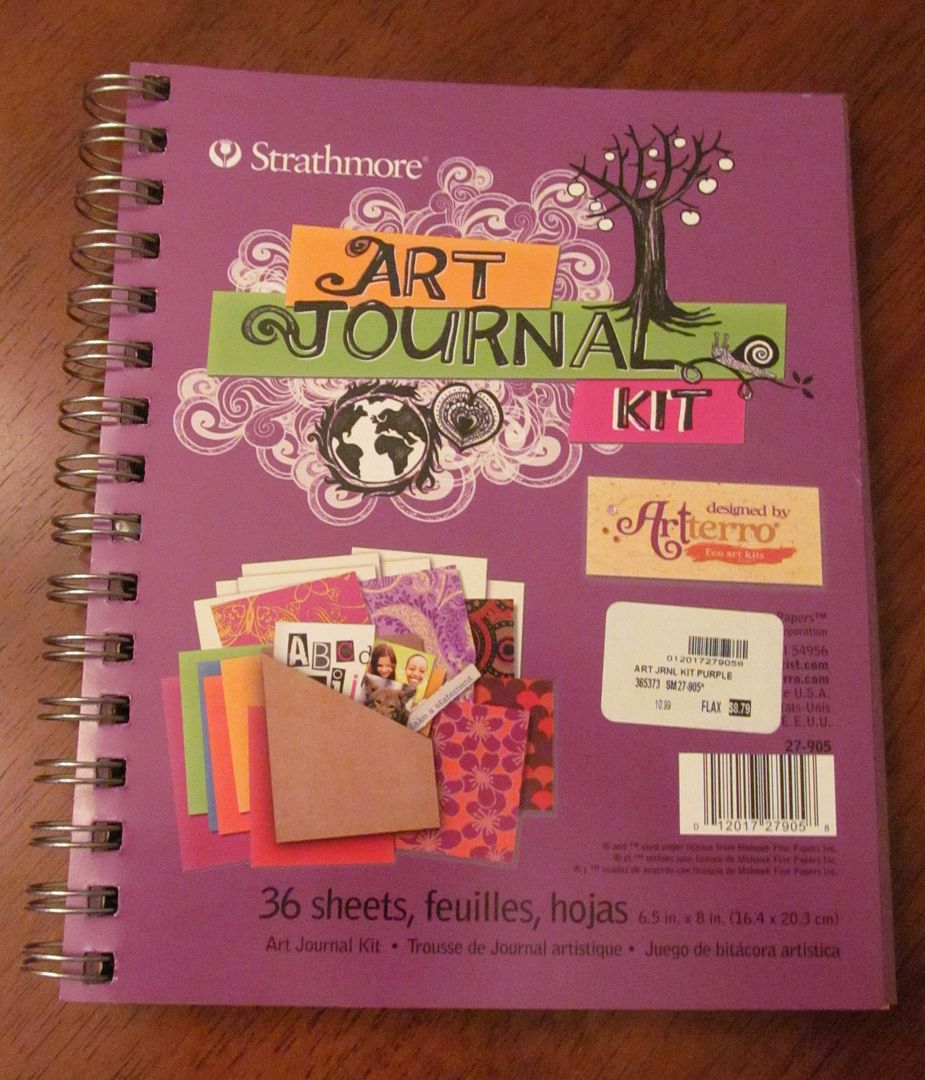
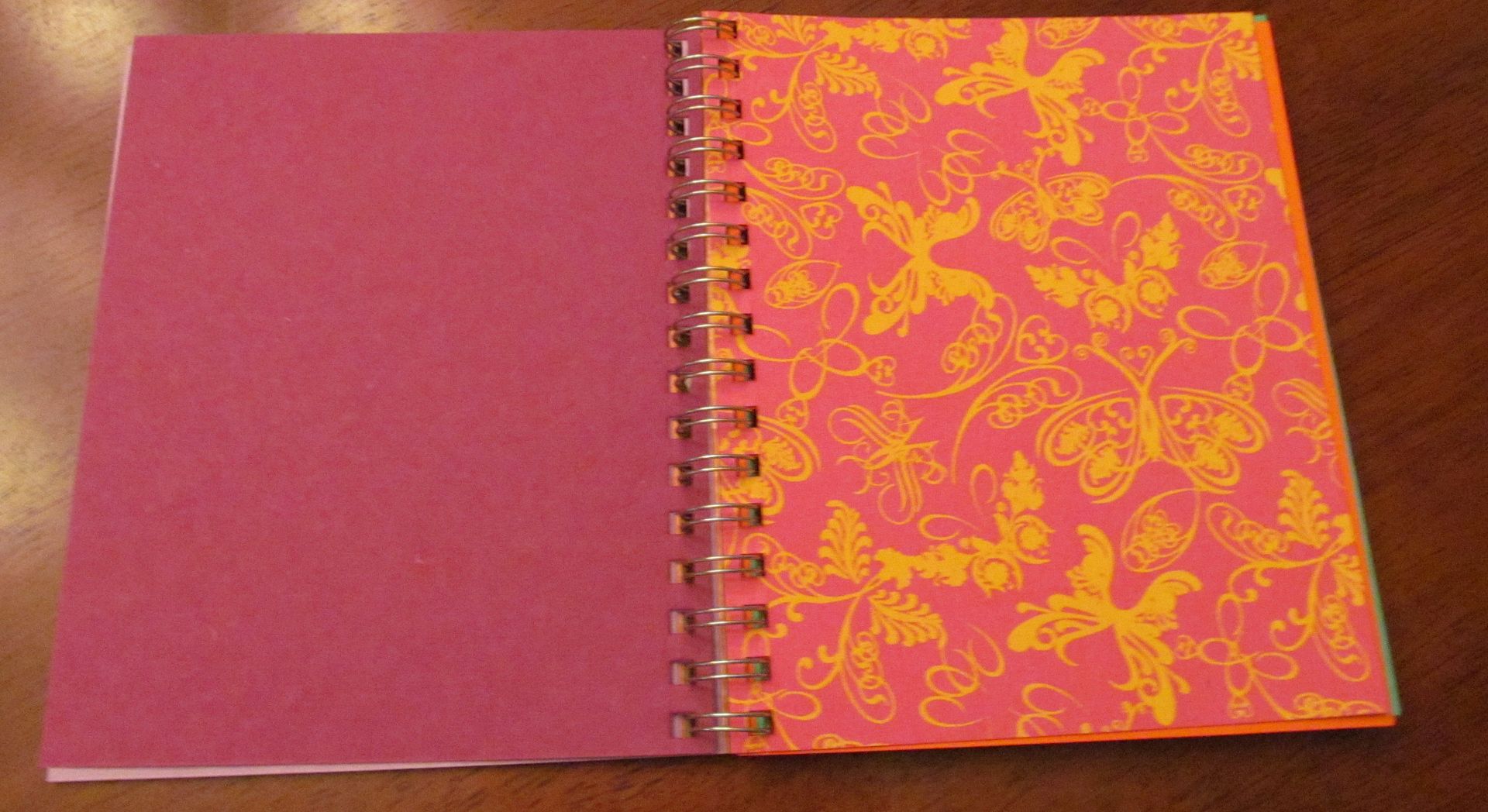
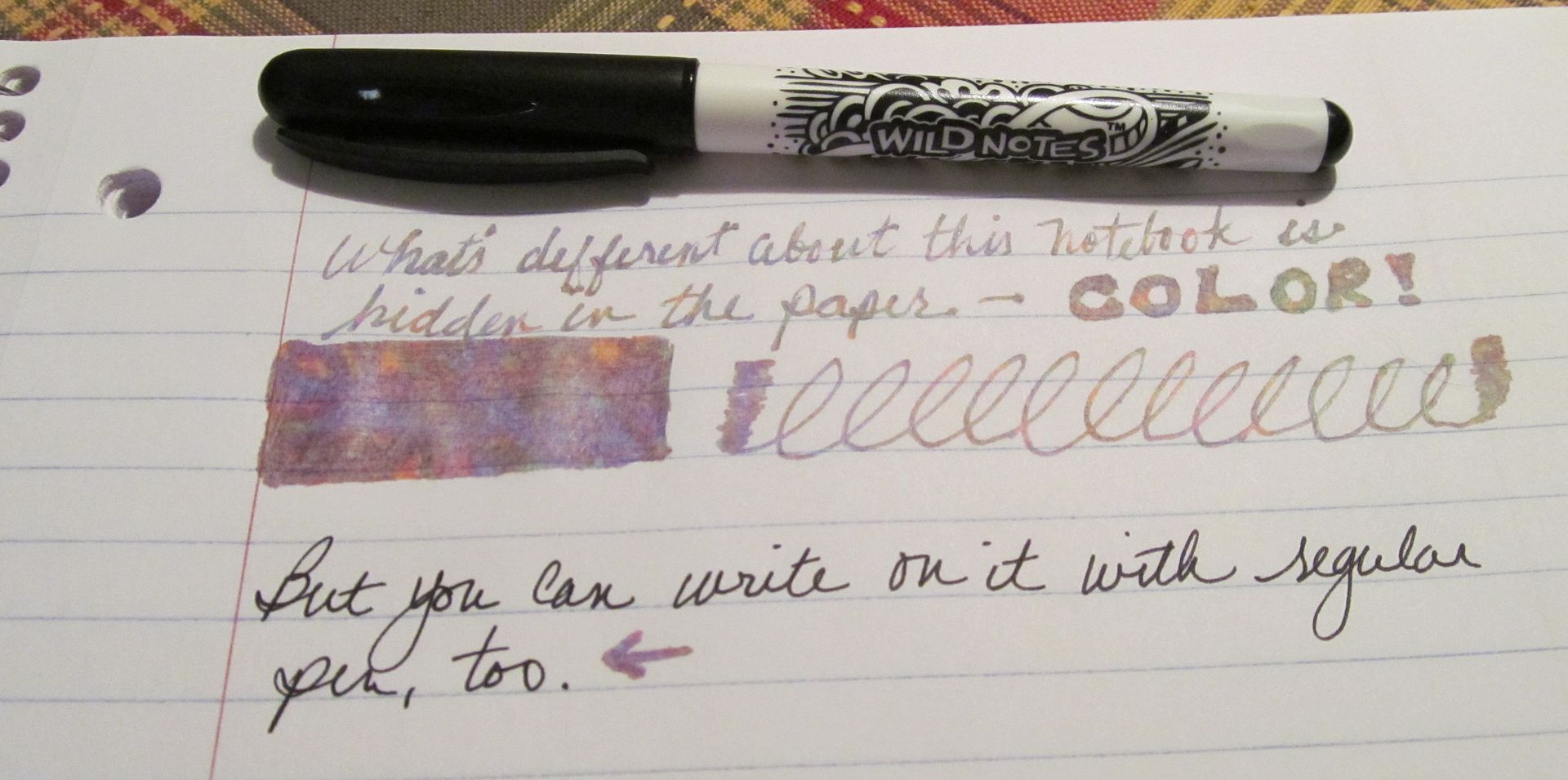
One trick I'm learning is to look for unusual notebooks in places other than the office supply shops and aisles.  I found this notebook with colored, printed and plain white pages at an art supply store; it's sold as an art journal kit but would work great as a notebook.  While gathering school supplies for my kid, I noticed Crayola had put out various sizes of what looked to be a pretty standard spiral-bound notebook.  Which it is, until you write on a page with the pen provided by Crayola, and bring out the psychedelic colors embedded in every inch of the paper.

If you don't find the notebooks you want to use, you can begin making your own.  Collect interesting papers until you have a nice stack, punch holes in them and place them in folder with grommets or a slim binder, and you've got your own notebook.  If you'd like to spiral bind them, you can have that done at most printing service outlets; Office Depot also has a number of spiral binding machines you can purchase and use at home to put together your own notebooks; I even found a video over on YouTube that demonstrates how one of the them works.

Tomorrow I'll wrap up my quest with one final look at some of the other not-so-blank books I've found and the giveaway I promised, so stop in if you get a chance.  (Those of you who are addicted to notebooks might also like to visit Nifty's Notebook Stories blog to see what other writers all over ther planet are using.)

Tuesday, October 11, 2011

Color Reference Notebook

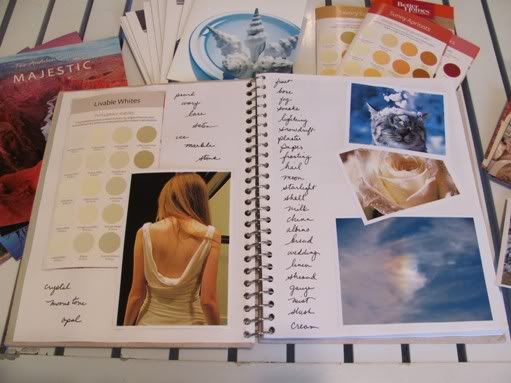
Over the years I've collected or put together so many color-related swatches, charts, pamphlets, palettes and word lists that I decided to consolidate them in one reference notebook. That way the next time I need to describe a particular shade of white I can have all the whites I've saved in one place.

Color referencing in fiction can be tricky, as I think the writer's first tendency is to grab a cliche or relate something to food. Who hasn't read at least one story in which a frightened character went white as a sheet, or possessed flawless creamy-white skin? But we know this is really lazy writing, and we owe the reader a bit more originality and effort.

I started my notebook with white, which happens to be my color reference nemesis. I discovered how difficult it is to describe white when I made the eyes of my Jorenian characters in the StarDoc series that color -- and subsequently cursed myself for doing so for the next thirteen years. All my color references to white were contemporary, and here I was writing in a far future where 99% of them didn't exist. Anyway, most of the time I fell back on a blind-person analogy or the white-within-white thing. It was lame, and it's probably the reason I started collecting color references in the first place, to broaden my understanding of color as well as beef up my descriptive powers.


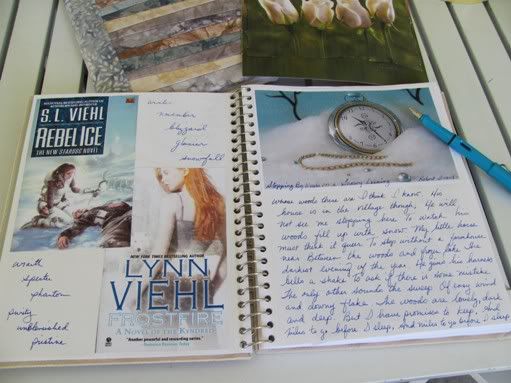
We all see and respond to color differently, so this kind of notebook is a great exercise in originality. You can put anything that inspires you in a color reference notebook; what you want is something that naturally stimulates your powers of description. I find combining paint charts and photos with word lists related to the color usually primes the well for me, but I also plan to use cover art, scanned images from my favorite magazines (Artful Blogging has tons of ladies who do the all-white decorating thing) as well as poems I associate with particular colors or palettes. Here's a page with Stopping by Woods on a Snowy Evening by Robert Frost, definitely my #1 white poem:


A color reference notebook is also a good storage encyclopedia for references you've already used in stories past. This can help prevent you from becoming that a descriptive repeater who in every book has a character with chocolate brown eyes or flaming red hair. Doesn't seem like it would be a problem, but wait until you've written twenty or thirty novels and suddenly you notice that every other guy character you write has laser-beam blue eyes.

What would you put in a color reference notebook to help jog your descriptive powers? Let us know in comments.

Related posts: Palettes with Color Names ~ Story Palettes ~ Character Palettes